If your dachshund has been diagnosed with intervertebral disc disease (IVDD), chiropractic care may help support recovery, reduce pain, and improve mobility alongside your veterinarian’s treatment plan. IVDD is one of the most common and heartbreaking conditions dachshund owners face, but it doesn’t always mean the end of your dog’s active life. At Axiom Animal Chiropractic in Charlotte, NC, we work with dogs navigating IVDD to help them feel and move better.
What Is IVDD and Why Are Dachshunds So Vulnerable?
Intervertebral disc disease happens when the cushioning discs between the vertebrae of the spine break down, bulge, or rupture. When that happens, pressure is placed on the spinal cord and surrounding nerves, which causes pain, weakness, and in severe cases, partial or full paralysis.
Dachshunds are a chondrodystrophic breed, meaning their cartilage develops differently than most dogs. Their long spines and short legs put them at a much higher risk for disc problems than other breeds. Studies suggest that up to 25% of dachshunds will experience some degree of IVDD in their lifetime.
It can happen suddenly, sometimes after something as simple as jumping off the couch. One day your dog is running around, and the next they’re reluctant to move, crying out in pain, or dragging their back legs. It’s terrifying to witness, and many owners feel helpless in that moment.
Signs Your Dachshund May Have IVDD
Catching IVDD early makes a real difference in outcomes. Here are some signs that warrant a call to your vet right away:
- Sudden reluctance to move, jump, or use stairs
- Crying or yelping when picked up or touched along the back
- A hunched posture or tucked abdomen
- Weakness, wobbling, or dragging of the back legs
- Loss of bladder or bowel control
- Withdrawal from family, hiding, or unusual quietness
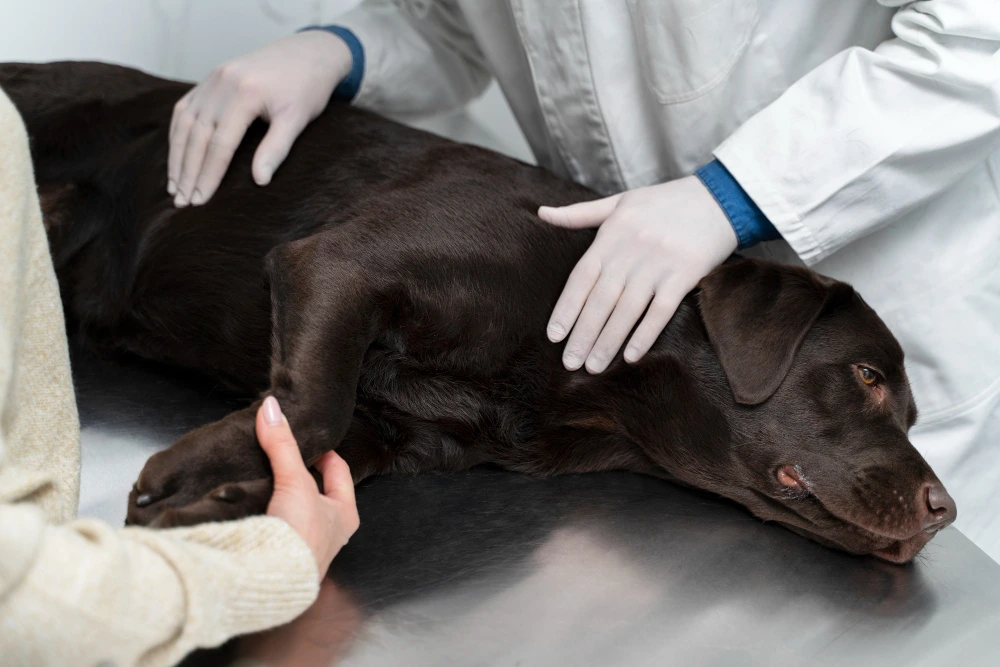
If your dachshund is showing any of these symptoms, your first call should be to your veterinarian. A proper diagnosis, including imaging, is essential before any additional care begins. Chiropractic care is meant to work alongside that process, not replace it.
How Chiropractic Care May Help Dogs with IVDD
When a disc is compromised, the surrounding vertebrae often shift in response, creating additional tension and restriction throughout the spine. These misalignments, called vertebral subluxations, interfere with normal nerve function and can compound the pain and dysfunction your dog is already experiencing.
Chiropractic adjustments work to correct those subluxations, which may help restore more normal nerve signaling, reduce muscle tension around the affected area, and support the body’s natural healing process. The goal isn’t to fix the disc itself. It’s to give the nervous system the best possible environment to recover.
In our Charlotte practice, we often see IVDD dogs whose owners were told there was nothing more to try. Many of them go on to make meaningful progress with consistent chiropractic care as part of a broader treatment plan. Results vary from dog to dog, and we’re always honest about that, but the outcomes we’ve witnessed keep us deeply committed to this work.
Chiropractic as Part of a Collaborative Care Plan
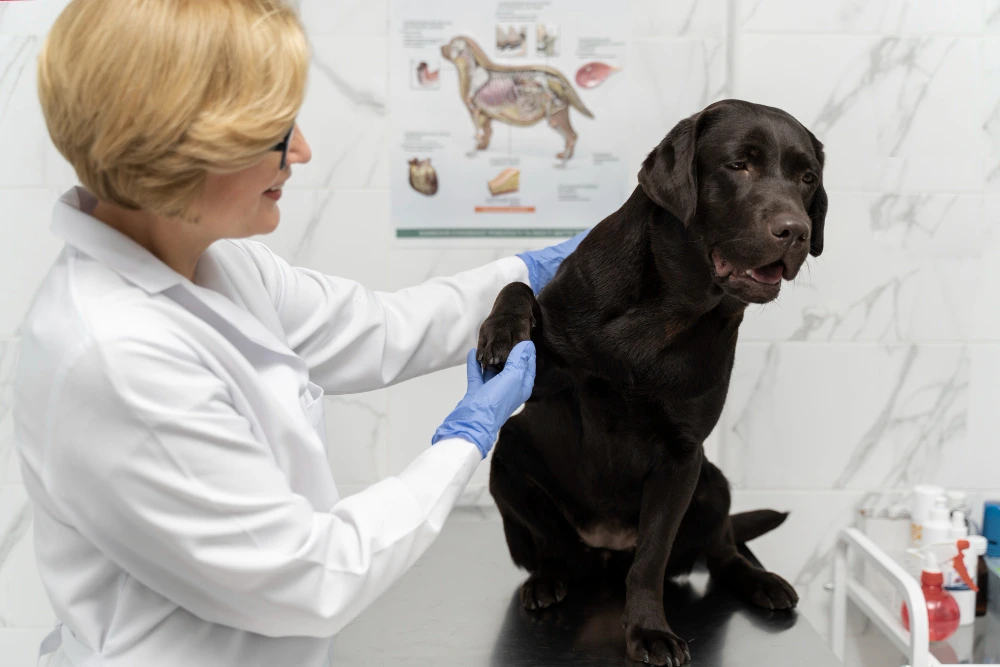
We want to be clear about something: chiropractic care is not a replacement for veterinary treatment of IVDD. Depending on the severity of your dog’s condition, your vet may recommend crate rest, anti-inflammatory medications, physical therapy, or surgery. Those recommendations matter and should be followed.
What chiropractic can do is support recovery during and after those treatments. Dr. Megan works closely with each dog’s existing veterinary team to make sure care is coordinated and nothing is done that would interfere with the primary treatment plan. We ask that you bring your vet records to your first visit so we have a full picture of where your dog is in their recovery.
This collaborative approach is central to how Axiom Animal Chiropractic’s canine services are structured. We’re here to complement your vet, not compete with them.
What to Expect at Your First Appointment
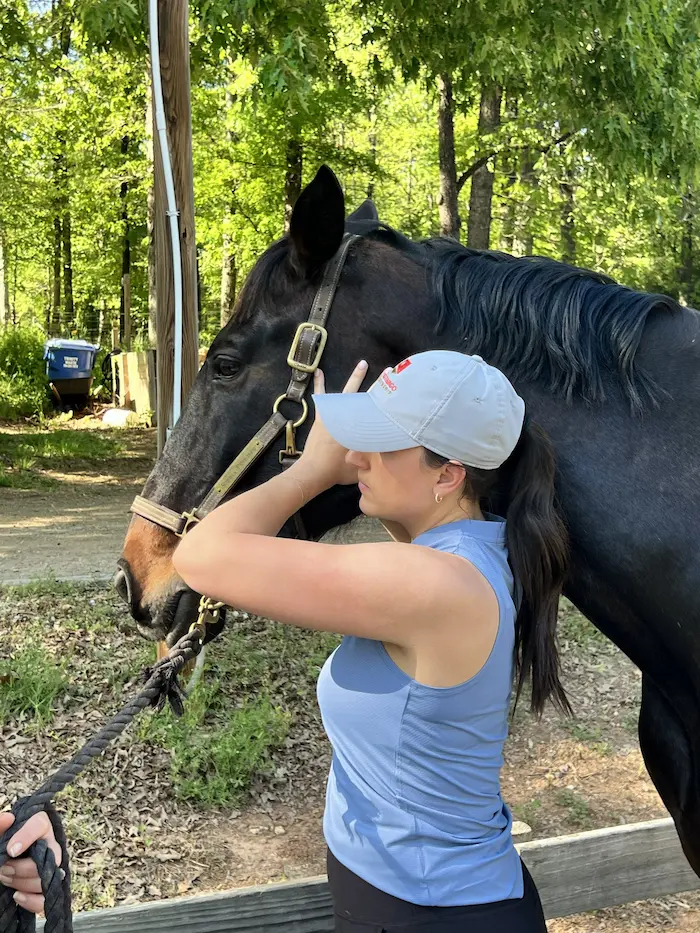
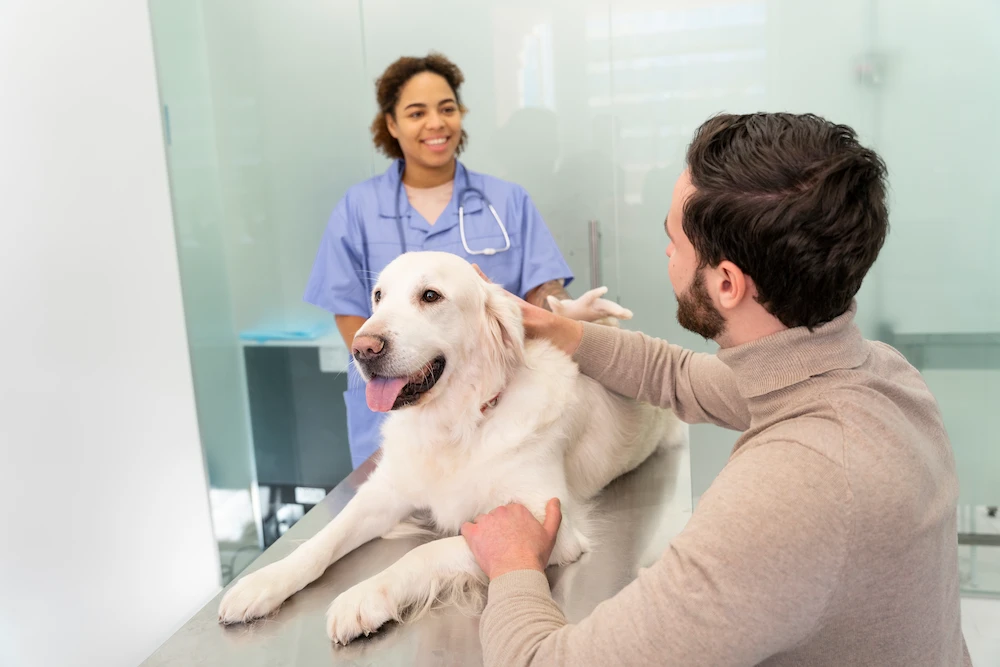
At the initial visit, Dr. Megan will review your dachshund’s health history, including any imaging or records from your veterinarian. She’ll do a hands-on evaluation of your dog’s posture, gait, and spinal mobility, and she’ll take the time to understand what daily life looks like for your pet right now.
Adjustments for IVDD dogs are gentle and adapted to what the dog can tolerate that day. We never push a dog beyond their comfort level. Most dogs relax significantly once they realize what’s happening, and some even seem to seek out the contact.
After the adjustment, Dr. Megan will give you specific home observation guidance so you know what to watch for and how to support your dog between visits. You’re not just coming in for a treatment. You’re getting a plan.
How Many Visits Does an IVDD Dog Typically Need?
This is one of the most common questions we hear, and the honest answer is: it depends. Some dogs show noticeable improvement after just one or two sessions. Others, especially those with more advanced disc disease or neurological involvement, need consistent care over several weeks before progress becomes clear.
We’ll always give you our best assessment after the first visit and reassess regularly as your dog responds. The goal is always to get your dachshund to a place where visits become less frequent because they’re maintaining well, not because we’ve given up on progress.
A Real IVDD Story from Our Practice
One of the reviews that means the most to us came from the owner of Hotrod, a dachshund who was struggling significantly with IVDD. Before finding us, Hotrod had been withdrawing from the family, and his owner wasn’t sure what options were left. After beginning chiropractic care, Hotrod started rejoining family life again. His owner described the change as remarkable.
That’s the kind of outcome we work toward with every dog we see. You can read more stories like Hotrod’s on our testimonials page.
Is Chiropractic Safe for a Dog with IVDD?
When performed by a trained animal chiropractor and coordinated with your veterinarian, chiropractic care can be a safe complementary option for many IVDD dogs. Dr. Megan Hullihen, DC, is a graduate of Palmer College of Chiropractic, one of the most respected chiropractic institutions in the world, and has completed specialized animal chiropractic training. She adapts every adjustment to the individual animal’s condition, size, and tolerance on that specific day.
That said, chiropractic is not appropriate for every stage or severity of IVDD, which is exactly why we require veterinary records and work in collaboration with your vet. Your dog’s safety always comes first. Learn more about Dr. Megan’s background and approach.
Serving Dachshund Owners Across the Charlotte Area
Axiom Animal Chiropractic is located at 1726 E 7th St in Charlotte, NC, and we see dogs from across the greater Charlotte metro, including Concord, Huntersville, Mooresville, Matthews, and beyond. If your dachshund has been diagnosed with IVDD or is showing signs that something isn’t right with their spine, we’d love to be part of their care team.
Reach out to schedule a consultation today. You can book online at charlotteanimalchiropractor.com/contact or call us at (704) 469-4772. We’re here to help your dog get back to being themselves again.