Rescue and adopted dogs often arrive with histories nobody fully knows, and that history can include injuries and spinal restrictions that were never identified. A chiropractic evaluation, alongside your new dog’s first vet visits, may help establish a structural baseline, find and correct existing restrictions, and give your new family member a more comfortable start.
At Axiom Animal Chiropractic in Charlotte, NC, we work with rescue dogs regularly, and the patterns we find in dogs with largely unknown histories are often telling.
Why Rescue Dogs Are More Likely to Have Spinal Restrictions
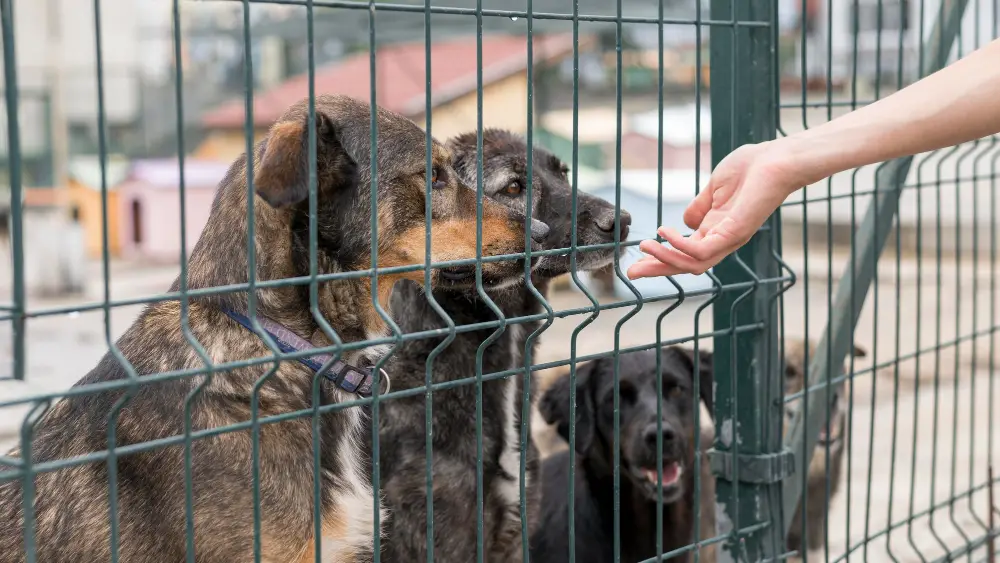
The road to a rescue dog’s forever home is rarely smooth. Many have experienced neglect, rough handling, accidents, difficult living conditions, or the physical and emotional stress of shelter life. Even dogs who appear healthy when they arrive in a new home may be carrying structural issues that developed long before they got there.
Falls, collisions, and rough play with other dogs in crowded shelter environments are common contributors to neck and mid-back restrictions. Dogs who lived outdoors on hard or uneven terrain may develop spinal wear differently than dogs raised in a controlled home. Dogs who were malnourished during growth may have musculoskeletal development patterns that predispose them to certain restrictions.
Dogs who experienced significant stress or trauma often carry it in their bodies as chronic muscle tension, which over time can contribute to spinal dysfunction. None of this means every rescue dog has a serious spinal problem. It does mean an early chiropractic evaluation is a smarter starting point than waiting to see if problems emerge.
The Behavioral Connection: When Spinal Pain Looks Like a Training Challenge
One of the most important things we see in rescue dogs is the overlap between physical discomfort and behavior that owners attribute entirely to the dog’s history or temperament. A dog who flinches when touched in certain areas, reacts unpredictably when approached from behind, or becomes tense or snappy during handling may not simply be working through past trauma. They may be in pain.
Spinal restrictions can create low-level discomfort that does not always show up as obvious lameness. It may appear as hypervigilance, touch sensitivity, difficulty settling, or reactivity that makes a dog seem harder to work with than they actually are. Our post on pinched nerve pain in dogs explains why this kind of pain can come and go.
Some rescue dogs we see arrive tense and leave noticeably calmer after a first visit. Easing physical discomfort does not solve every behavioral challenge, but it can remove a layer that makes those challenges harder. For ongoing fear or reactivity, a certified trainer or veterinary behaviorist is an important part of the team.
Signs a Newly Adopted Dog May Have Spinal Restrictions
You may not know your rescue dog’s full history, but you can watch for patterns that suggest something structural is worth evaluating:
- Flinching or pulling away when touched along the back, neck, or shoulders
- Stiffness in the morning or after rest that eases once the dog is moving
- An unusual gait, such as bunny-hopping in the back end or a shortened stride on one side
- Reluctance to jump, climb stairs, or engage in activities most dogs do naturally
- Muscle asymmetry visible along the back or in the hind legs
- A dog who holds their head lower than expected or consistently tilts to one side
- Hypersensitivity to touch that does not improve with time and positive handling
- Behavioral reactivity that seems disproportionate to what is triggering it
Any of these patterns is worth mentioning to your veterinarian and exploring with a chiropractic evaluation, particularly in the early months of adoption when you are still learning what is normal for your dog.
When to Talk to Your Vet First
Some situations call for veterinary care or clearance before chiropractic. Check with your vet first if your dog:
- Is being treated for heartworm, since treatment usually requires strict rest
- Was recently spayed or neutered, or had any other surgery
- Has a sudden head tilt, loss of balance, or circling
- Shows sudden weakness, wobbling, or dragging of the back legs
- Cries out when moving, or shows new aggression when touched
Once your vet gives the go-ahead, chiropractic can support recovery. Our post on post-surgery recovery for dogs covers timing after procedures.
What a First Chiropractic Visit Looks Like for a Rescue Dog
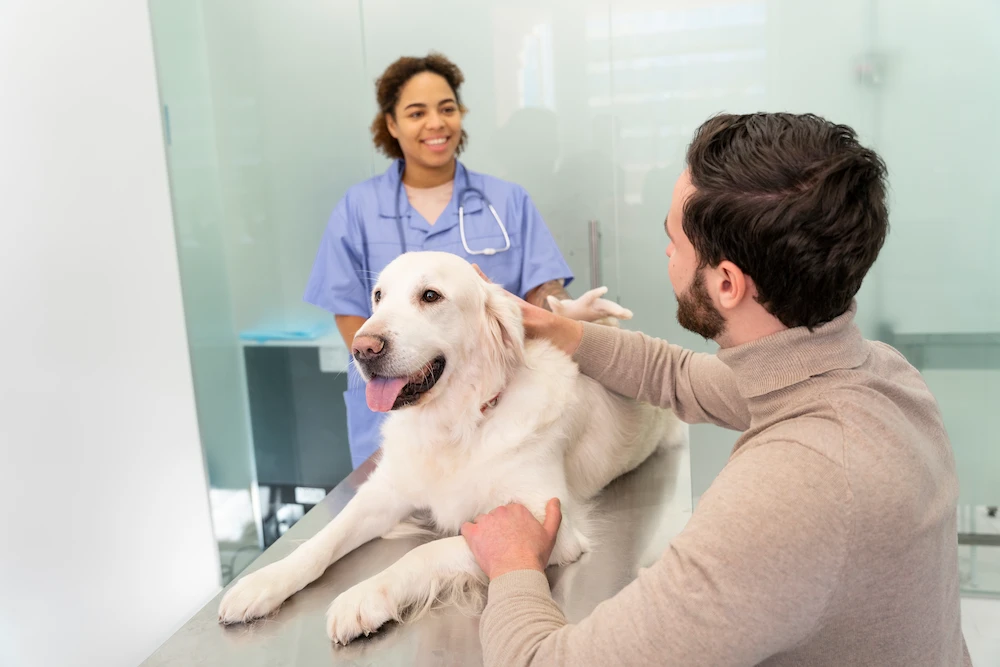
Dr. Megan understands that rescue dogs need a different approach than dogs who have had consistent, positive handling throughout their lives. The pace of the visit is set by the dog. There is no rushing, no forcing, and no pushing a dog beyond what they are comfortable with.
The consultation covers whatever history you have, including records from the rescue organization, the shelter, or any veterinary exams since adoption. If your dog arrived with no records at all, that is fine too. The hands-on evaluation tells its own story.
Dr. Megan evaluates posture, gait, and spinal mobility before making any adjustments. For dogs who are particularly anxious or reactive, she may take a slower, more gradual approach on the first visit, building trust before attempting corrections. The goal is always for the dog to leave in a better physical and emotional state than they arrived.
After the visit, you will get specific home observation guidance and a recommended follow-up schedule based on what was found. Learn more about Dr. Megan’s approach to working with all types of dogs.
Chiropractic as Part of Your Rescue Dog’s Wellness Plan
Most rescue organizations and adoption counselors recommend a veterinary exam within the first week or two of bringing a new dog home. Adding a chiropractic evaluation to that early wellness checklist is a natural next step, particularly for dogs with unknown histories or any of the physical patterns described above.
Chiropractic care works best alongside veterinary care, not in place of it. If your vet identifies conditions that need medical management, those should be addressed first, and we will coordinate our approach around your vet’s recommendations. Learn more about canine chiropractic care at Axiom Animal Chiropractic.
Frequently Asked Questions
How soon after adoption should my rescue dog be evaluated?
After the first vet exam and once your dog has had a couple of weeks to settle in. If you notice pain, stiffness, or touch sensitivity sooner, talk with your vet and schedule an evaluation.
Is chiropractic safe for a fearful or reactive dog?
Yes, when the visit is paced for the dog. Dr. Megan builds trust gradually, and if a dog is not ready for an adjustment, the first visit may focus on assessment and positive handling.
Does my rescue dog need X-rays first?
Not always. If your vet suspects a fracture, hip dysplasia, or another structural problem, imaging is helpful, and we are glad to review any X-rays you have.
Charlotte Has a Wonderful Rescue Community
Charlotte is home to a large and committed network of rescue organizations, fosters, and adopters who pour enormous care into giving dogs second chances. At Axiom Animal Chiropractic, we are proud to be a resource for that community. Whether your dog came from a local shelter, a breed-specific rescue, or a transport from another state, they deserve a thorough structural evaluation as part of settling into their new life.
If you’ve recently adopted a dog in Charlotte and want to give them the best possible start, we’d love to see them. Book a consultation at charlotteanimalchiropractor.com/contact or call us at (704) 469-4772. We’re located at 1726 E 7th St in Charlotte, NC, and we see dogs from throughout the greater Charlotte metro area.
Axiom Animal Chiropractic, led by Dr. Megan Hullihen, specializes in Gonstead-based animal chiropractic care for pets and performance animals throughout Charlotte, NC. Our precise, gentle adjustments restore spinal mobility and nervous system function, helping animals move comfortably without medications or surgery. From senior pets with arthritis to competition horses seeking peak performance, we create customized care plans addressing each animal’s unique needs.
Visit our main website to learn more about our approach and services. Schedule a consultation to discover how animal chiropractic can improve your pet’s quality of life.