
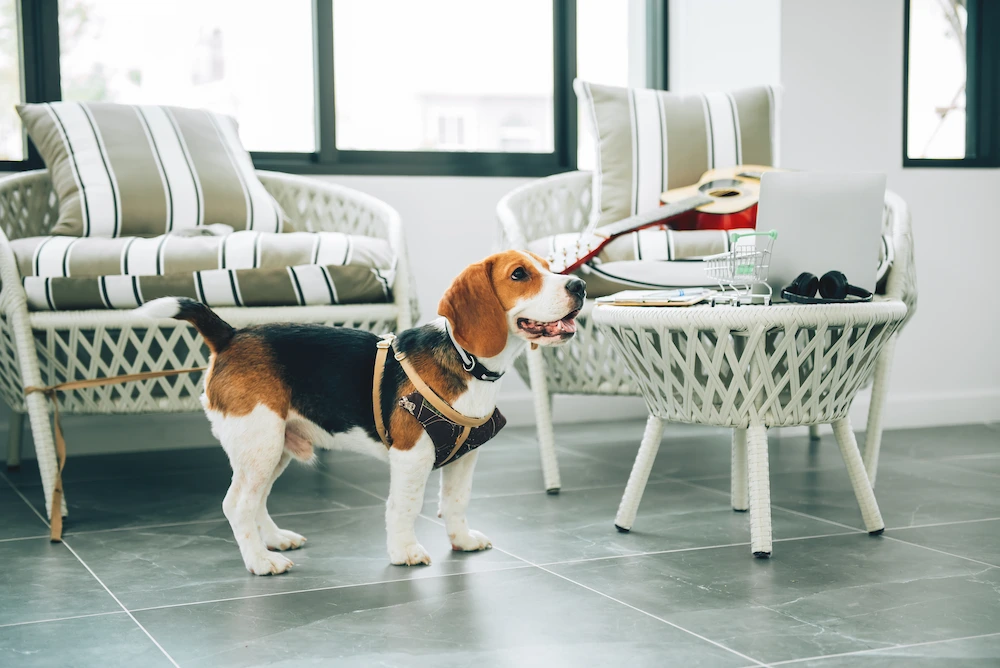
Hip dysplasia and elbow dysplasia are both joint conditions caused by abnormal development, but they affect different parts of your dog’s body and often show up in different ways. Hip dysplasia typically causes a swaying “bunny hop” gait and rear-end weakness, while elbow dysplasia shows up as front-leg lameness, especially after rest. Knowing which joint is involved helps you and your vet build the right care plan.
Why These Two Conditions Get Confused
Both conditions stem from a joint that didn’t form correctly during growth, and both tend to show up in larger breeds. Owners often notice their dog “isn’t quite right” without being able to pinpoint where the discomfort is coming from. That’s understandable. Dogs are good at masking pain, and early symptoms of both conditions can look similar: reluctance to jump, stiffness after naps, general slowing down.
At our Charlotte practice, we often see dogs where the owner assumed it was one joint when it turned out to be the other, or both at once.
Hip Dysplasia: What to Look For
Hip dysplasia involves the ball-and-socket joint of the hip not fitting together properly. Over time, this looseness leads to wear, inflammation, and arthritis. Common signs include:
- A swaying or “bunny hopping” gait when running
- Difficulty rising from a lying position
- Reluctance to climb stairs or jump into the car
- Visible muscle loss in the back legs over time
Breeds like German Shepherds, Golden Retrievers, and Labradors are commonly affected, though any dog can develop it.
Elbow Dysplasia: What to Look For
Elbow dysplasia affects the front leg joint and often develops when the three bones that make up the elbow don’t grow at matching rates. This creates uneven pressure and, eventually, joint damage. Signs tend to include:
- Front-leg limping, often worse after rest and better once warmed up
- Turning the front paw outward while standing
- Reluctance to fully extend the front legs
- Sensitivity when the elbow is touched or flexed
This condition is common in fast-growing large breeds and can appear as early as four to six months of age.
Can a Dog Have Both?
Yes, and it’s more common than owners expect. When one joint hurts, dogs often shift their weight to compensate, which puts extra strain on other joints. A dog favoring a sore hip may end up putting more pressure through the front end, and vice versa. This is one reason a full-body evaluation matters instead of just examining the joint that seems obviously affected.
How Chiropractic Care Fits In
Chiropractic care doesn’t reverse the underlying joint malformation in either condition, but it can play a real role in your dog’s comfort and mobility. Here’s the thing: when a dog compensates for pain in one joint, the spine and surrounding muscles often develop their own restrictions from the altered gait. Gentle adjustments can help restore more even movement patterns and take pressure off overworked areas.
We always coordinate with your dog’s veterinarian on this. Chiropractic care works alongside diagnosis and treatment from your vet, not in place of it. If your dog hasn’t been formally diagnosed, that’s the right first step before starting any chiropractic plan.
What We Look At During an Evaluation
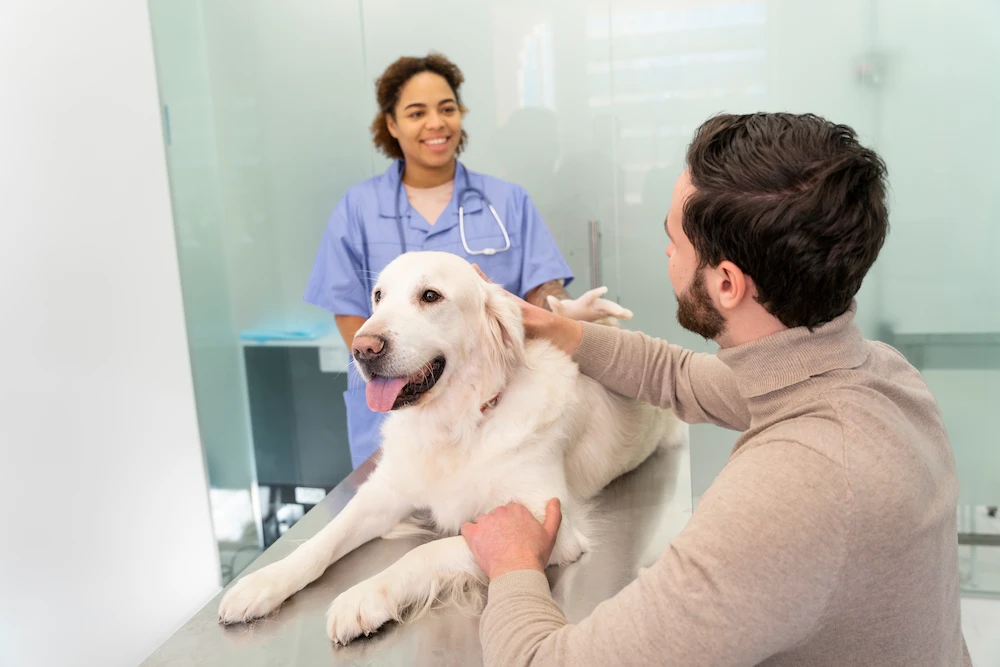
When a dog comes in with suspected joint issues, we start by watching how they move: their gait, how they rise, how they distribute weight. We also gently assess range of motion in both the hips and elbows, since compensation patterns can mask which joint started the problem. From there, we build adjustments around the dog’s specific build, age, and activity level.
Living With Either Condition
Whether your dog has hip dysplasia, elbow dysplasia, or both, the goal is the same: keep them as mobile and comfortable as possible for as long as possible. That often means a combination of weight management, appropriate exercise, and ongoing joint support. Many of the dogs we see in Charlotte are managing one or both conditions well into their senior years with the right combination of care.
If you’re not sure which joint is causing your dog’s discomfort, or if you suspect both are involved, a hands-on evaluation can help clarify the picture.
Ready to get your dog moving more comfortably? Schedule a consultation or call us at (704) 469-4772. You can also learn more about our canine chiropractic services in Charlotte, NC.