
A vertebral subluxation is a misalignment in the spine where one or more vertebrae shift out of their normal position and place pressure on the surrounding nerves, disrupting how the nervous system communicates throughout the body. In animals, subluxations can develop from everyday physical stress, injuries, compensation patterns, or simply the wear of aging, and they’re a primary reason why otherwise healthy animals start moving differently, performing worse, or showing signs of discomfort that a standard vet exam doesn’t fully explain. Correcting subluxations is the core of what chiropractic care does, and understanding what they are helps you recognize when your animal might be dealing with one.
The Spine and the Nervous System: Why Alignment Matters
The spine isn’t just a structural column that holds an animal upright. It’s also the primary protective housing for the spinal cord, which is the main communication highway between the brain and every other part of the body. Nerve roots branch out from the spinal cord at each vertebral level and carry signals to muscles, organs, glands, and tissues throughout the animal.
When the vertebrae are properly aligned and moving normally, those nerve signals travel freely and the body functions the way it’s supposed to. When a vertebra shifts out of position, the space where the nerve root exits the spine narrows, and the nerve gets compressed or irritated. That interruption in nerve flow affects everything the nerve is responsible for, sometimes in ways that aren’t obviously connected to the spine.
This is why a dog with a subluxation in the lower back might show changes in bladder control. It’s why a horse with thoracic restrictions might resist picking up a lead. It’s why a cat with cervical subluxations might stop grooming properly. The connection runs deeper than just back pain.
How Do Subluxations Develop in Animals?
Subluxations don’t always come from a dramatic injury. In fact, most of the time they develop gradually from cumulative stress that the body eventually can’t compensate for anymore. Common causes in animals include:
- Repetitive physical demands, such as jumping, pulling, carrying a rider, or working on uneven terrain
- Falls, slips, or collisions, even ones that didn’t seem serious at the time
- Compensation patterns from an injury or pain in another part of the body
- The birthing process, both for the mother and sometimes for the offspring
- Poor posture from prolonged confinement or restricted movement
- Age-related changes in the discs, joints, and supporting muscles
- Ill-fitting equipment, such as a saddle that doesn’t distribute weight properly
Any animal that’s physically active, has had an injury, or is simply getting older is a candidate for developing subluxations. It’s not a rare condition. It’s a normal consequence of how physical bodies work, and it becomes a problem when it goes uncorrected long enough to affect how the animal feels and functions.
What a Subluxation Feels and Looks Like in Practice
Subluxations don’t always produce obvious pain. Sometimes the signs are subtle and easy to miss, especially in animals that are stoic by nature. Here are patterns that often point to spinal restrictions in different species:
In Dogs
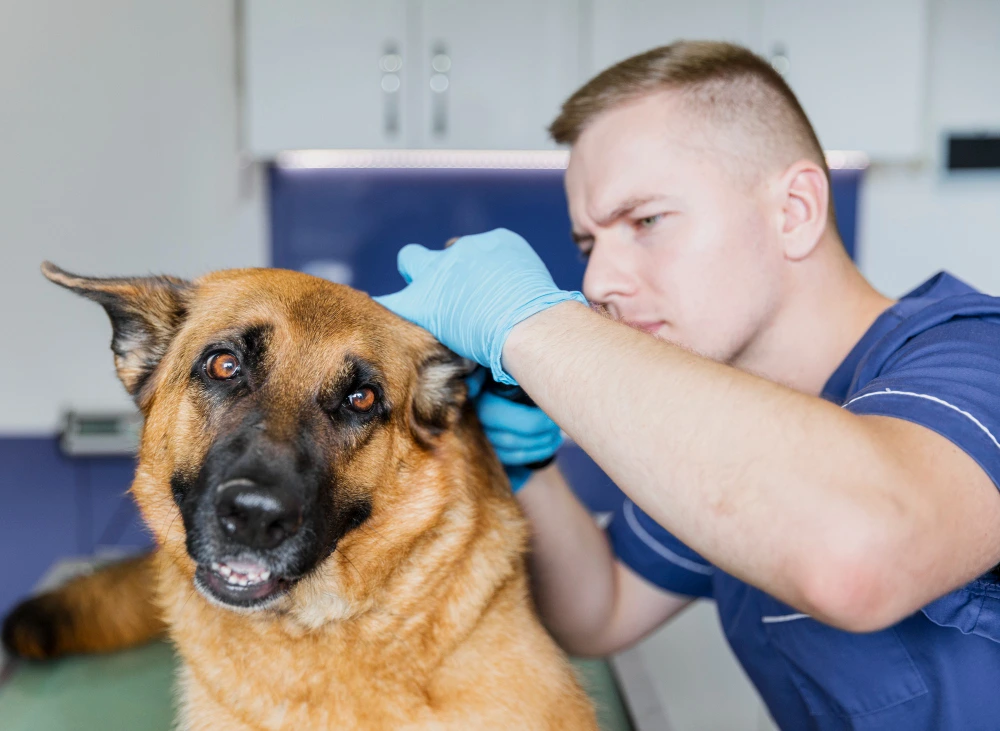
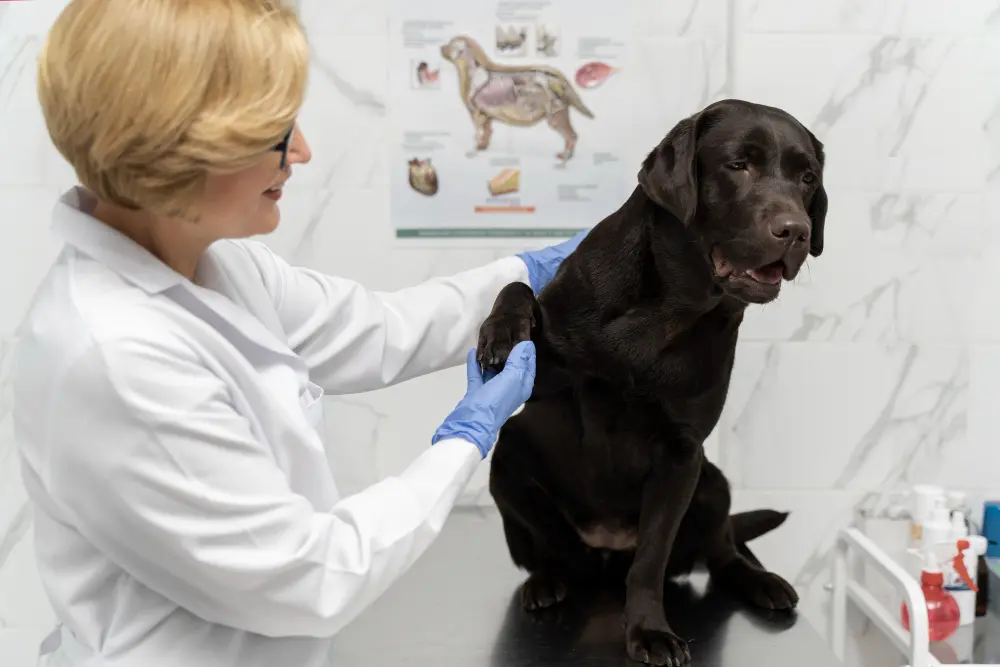
Stiffness getting up from a lying position, reluctance to jump, a change in gait, muscle loss in the hind end, neck pain when turning to one side, or behavioral shifts like increased irritability or withdrawal. Dogs with subluxations sometimes appear to be slowing down with age when what’s actually happening is a correctable structural problem.
In Cats
Reduced flexibility, difficulty jumping onto furniture they used to reach easily, changes in how they carry themselves, or a noticeable decrease in activity level. Cats hide discomfort exceptionally well, which means spinal restrictions can go unnoticed for a long time before the signs become hard to ignore.
In Horses
Gait asymmetry, resistance to a specific lead, shortened stride, behavioral changes under saddle, sensitivity along the back when groomed or tacked up, or a performance plateau that training adjustments haven’t resolved. Horses often express spinal pain through behavior, and it’s frequently misread as a training or temperament issue.
In Livestock
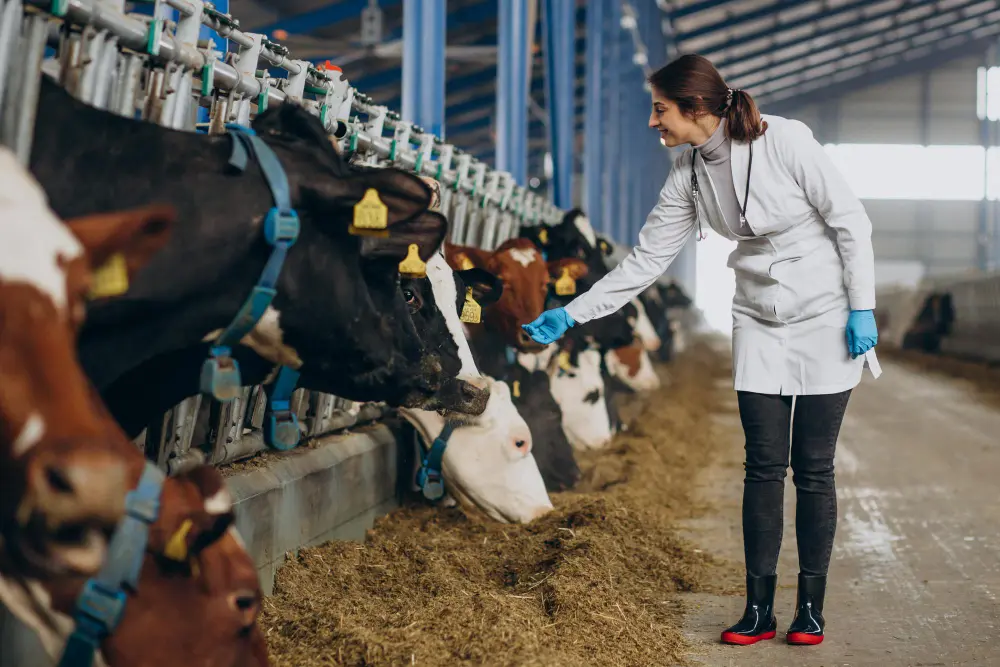
Lameness, difficulty rising, unusual posture, reduced productivity, or behavioral changes during handling. In breeding and dairy animals, subluxations in the lumbar and sacral regions can affect reproductive and production performance in ways that aren’t immediately obvious as structural problems.
How Chiropractic Corrects a Subluxation
A chiropractic adjustment is a specific, controlled application of force to a vertebra or joint that has lost its normal position or range of motion. The goal is to restore proper alignment and movement to that segment so the nerve pressure is relieved and the nervous system can communicate freely again.
The force used varies significantly depending on the species and the specific area being adjusted. What’s appropriate for a 10-pound cat is very different from what’s appropriate for a 1,200-pound horse. Dr. Megan adapts every adjustment to the animal in front of her, accounting for their size, age, current condition, and comfort level throughout the session.
Most animals tolerate adjustments well and many show visible signs of relaxation during or immediately after a session. Some become drowsy. Some yawn repeatedly, which is a common nervous system response. Others simply stand quietly in a way they weren’t doing before.
Can Subluxations Come Back?
Yes, they can. Chiropractic care isn’t a one-time fix, especially for animals that continue to engage in the activities that contributed to the subluxation in the first place. A performance horse that competes regularly, a working farm dog, or a senior cat dealing with age-related changes will benefit most from consistent, periodic care rather than a single adjustment.
That said, many animals reach a maintenance phase where visits become less frequent because the spine is holding its corrections better between sessions. The goal of ongoing chiropractic care is to keep subluxations from accumulating to the point where they’re causing problems, rather than waiting until the animal is visibly uncomfortable.
Subluxation Care for All Species at Axiom Animal Chiropractic
At Axiom Animal Chiropractic in Charlotte, NC, Dr. Megan Hullihen works with dogs, cats, horses, and livestock to identify and correct vertebral subluxations through gentle, species-specific chiropractic adjustments. Every session starts with a thorough evaluation so we know exactly what we’re working with before any adjustments are made.
Whether your animal is a senior dog slowing down, a performance horse hitting a plateau, or a farm animal dealing with chronic lameness, subluxations may be part of the picture. We’d be glad to take a look. Learn more about our services for dogs, cats, horses, and livestock.
To schedule an appointment, visit charlotteanimalchiropractor.com/contact or call (704) 469-4772.