
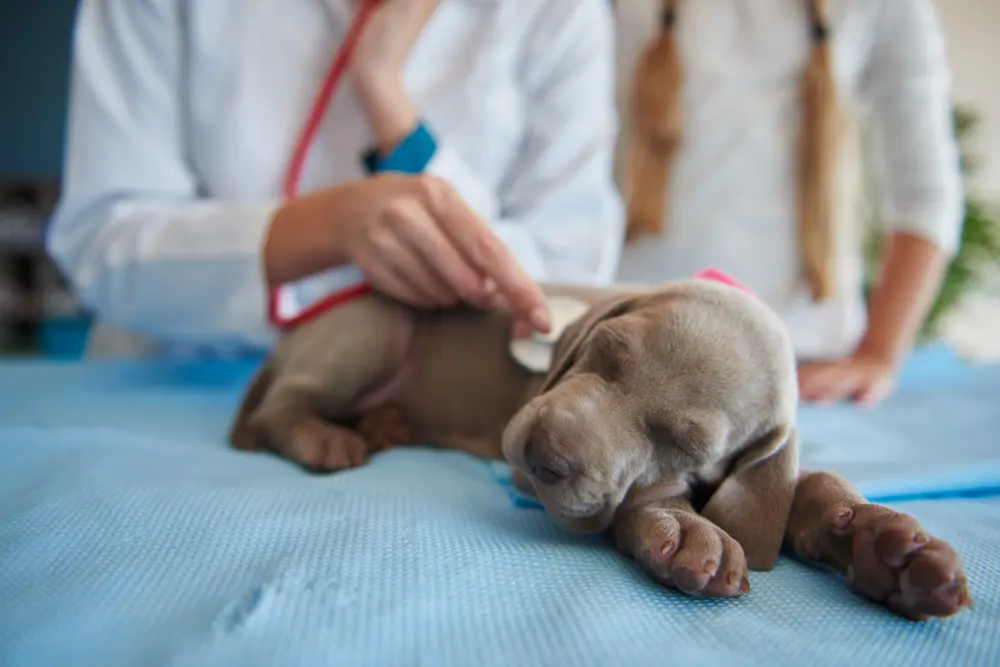
Animal chiropractic and veterinary care are not competing approaches. Your veterinarian diagnoses and treats disease, injury, and illness, while an animal chiropractor identifies and corrects structural restrictions in the spine and joints that affect how the nervous system functions and how the body moves. For many animals, the best outcome comes from having both on the team.
Each approach addresses something the other does not fully cover. At Axiom Animal Chiropractic in Charlotte, NC, working alongside your vet is not just something we recommend. It is how we operate.
What Veterinary Care Does
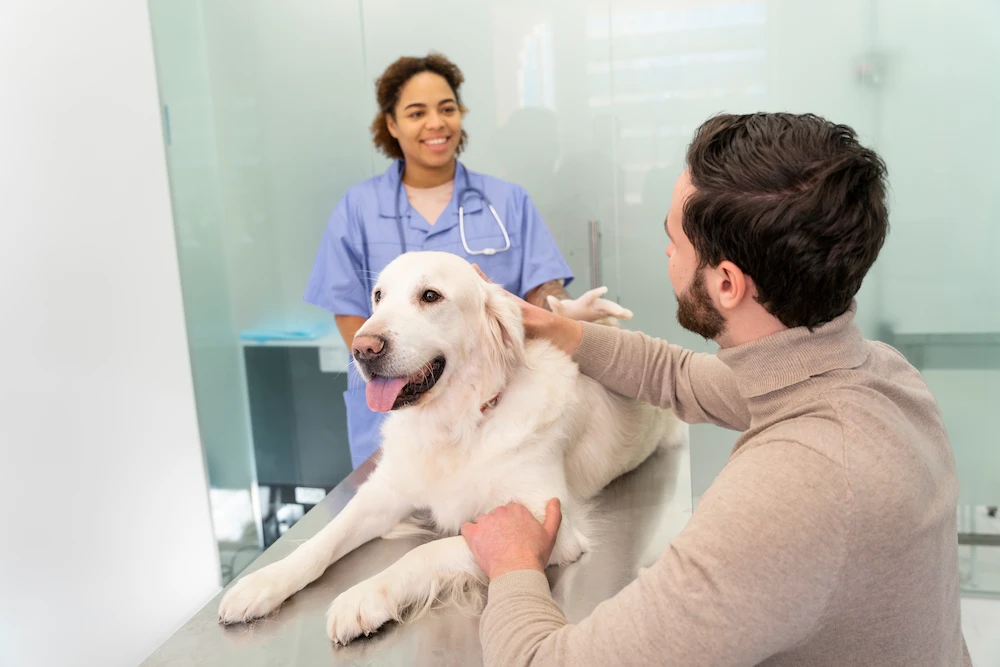
Your veterinarian is trained to diagnose and treat a wide range of medical conditions through physical examination, diagnostic imaging, bloodwork, and other clinical tools. They manage disease, infections, organ dysfunction, surgical needs, vaccinations, and emergency care. For any animal showing signs of illness or injury, the veterinarian is the right first call.
Conventional veterinary medicine is also the appropriate setting for pain management through medication, rehabilitation therapy following surgery or injury, and monitoring of chronic conditions like diabetes, kidney disease, or cancer. Chiropractic does not replace or compete with any of that.
Where standard veterinary care has less focus is the structural, neurological side of musculoskeletal problems. A vet can tell you that your dog has arthritis or that your horse has back pain, and the usual tools for managing those conditions include medication, rest, rehabilitation, and in some cases surgery. Detailed assessment of the spinal restrictions that affect how the animal moves and compensates is generally outside the scope of a standard veterinary exam.
What Animal Chiropractic Does
Animal chiropractic focuses specifically on the spine and its relationship to the nervous system. The goal is to identify vertebral subluxations, which are misalignments in the vertebrae that can irritate nearby nerves and interfere with normal nerve function, and to correct them through precise, hands-on adjustments.
Because the nervous system controls muscle coordination, organ function, and the body’s overall ability to regulate itself, spinal health has a broader impact than most people expect. A subluxation in the lumbar spine does not just cause back pain. It can affect how the hind legs function, how the animal carries its weight, and, over time, how the surrounding joints wear.
Correcting it aims to address the structural source of the problem rather than only managing the symptoms it produces. What chiropractic does not do is diagnose or treat disease, manage infections, or serve as a substitute for emergency or surgical veterinary care. That boundary is important, and any qualified animal chiropractor will be clear about it.
Animal Chiropractic vs. Veterinary Care at a Glance
| Question | Veterinarian | Animal Chiropractor |
|---|---|---|
| Main focus | Diagnosing and treating disease, injury, and illness | Spinal and joint motion and how it affects the nervous system |
| Typical tools | Exams, imaging, bloodwork, medication, surgery | Hands-on assessment, gait observation, specific adjustments |
| Prescribes medication | Yes | No |
| Handles emergencies | Yes | No |
| Best suited for | New, sudden, or severe symptoms and ongoing medical conditions | Stiffness, uneven movement, and compensation patterns once serious causes are ruled out |
Why They Work Best Together
Think of it this way. If your dog is diagnosed with hip dysplasia, your vet manages the medical side of that condition, including anti-inflammatory medication, weight management recommendations, and monitoring joint changes over time. If you are not sure which joint is involved, our post on hip vs. elbow dysplasia in dogs explains the differences.
What chiropractic adds is attention to the spinal compensation patterns that develop when a dog favors one hip. Those patterns can create secondary restrictions in the lumbar spine, the sacrum, and even the neck that add to the dog’s overall pain load. Addressing them may reduce how hard the body is working to compensate and help the dog feel and move better within the reality of the diagnosis.
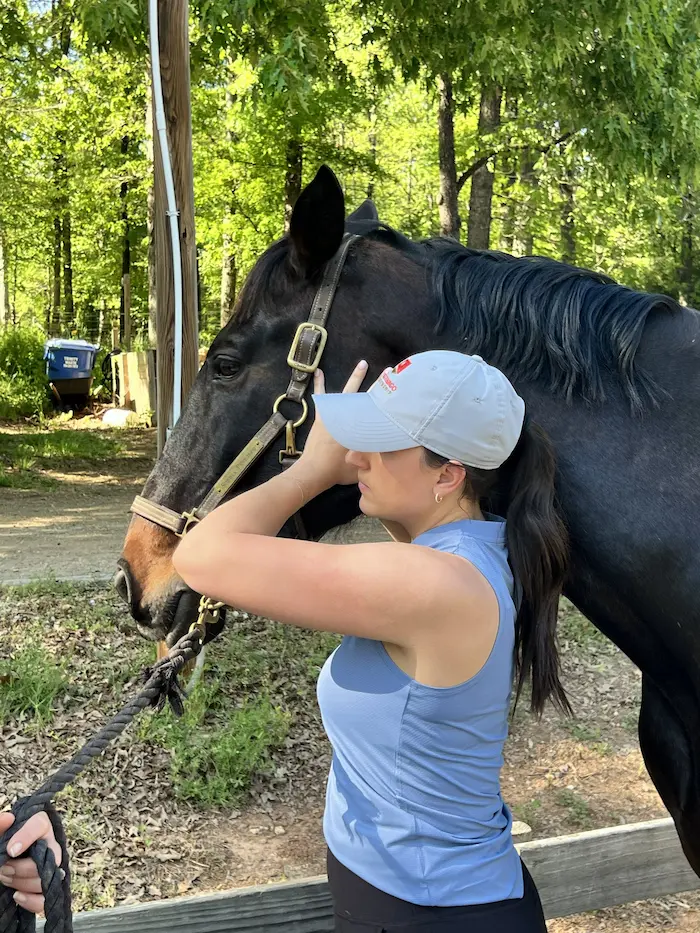
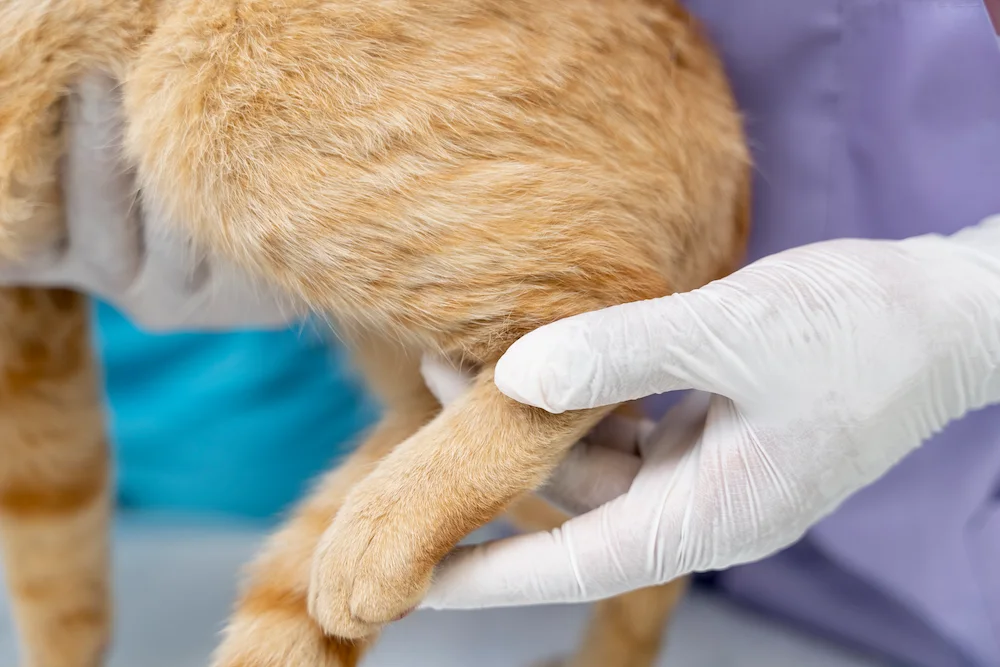
The same logic applies across species and conditions. A horse with saddle fit issues benefits from a veterinary assessment of any resulting soft tissue damage and from chiropractic correction of the spinal restrictions the poor fit caused. A senior cat with arthritis benefits from veterinary pain management and from chiropractic care that keeps the spine moving as freely as possible despite the joint changes around it.
The two approaches are not redundant. They address different layers of the same problem.
Signs Your Animal Needs the Vet First
Some symptoms point to a medical problem that needs a veterinarian before any chiropractic care. Call your vet or an emergency clinic right away if you notice:
- Sudden weakness, wobbling, or dragging of the back legs
- Crying out when the neck or back is touched, or refusing to move
- Loss of bladder or bowel control
- Lameness with heat, swelling, or an open wound
- Fever, vomiting, not eating, or unusual lethargy
- Signs of colic in a horse, such as pawing, rolling, or looking at the belly
In dogs, sudden back pain and hind-leg weakness can signal a disc problem that needs urgent care. Our post on bulging vs. herniated discs in dogs covers what is happening in the spine.
Signs Chiropractic May Help
Once serious medical causes are ruled out, many Charlotte pet and horse owners turn to chiropractic for problems like these:
- Stiffness when getting up, especially after rest
- Reluctance to jump, climb stairs, or get into the car
- An uneven gait or shortened stride
- Sensitivity along the back, neck, or hips
- In horses, resistance to bending one direction, picking up a lead, or being saddled
Does My Vet Need to Refer Me to an Animal Chiropractor?
Many owners book directly without a formal referral, though rules for animal chiropractic vary from state to state. Our office will confirm what is needed for your animal when you schedule. We always ask for your animal’s veterinary records before the first visit, and we encourage you to let your vet know you are adding chiropractic care to your animal’s overall health plan.
Good communication between practitioners benefits the animal, and many veterinarians are supportive of chiropractic as a complementary approach. If your vet has concerns or specific instructions about your animal’s condition, we want to know about them.
There are situations where chiropractic needs to be modified or timed carefully around other treatments, and having that context helps us provide better care. Learn more about how Dr. Megan approaches collaborative care.
Common Questions About Chiropractic and Vet Care
Can my animal receive chiropractic care while on medication?
In most cases, yes. Many animals we see take anti-inflammatories, joint supplements, or other vet-prescribed treatments, and chiropractic does not typically interfere with them, though Dr. Megan will discuss any medication that could change the approach before the first adjustment.
Should I see the vet before booking a chiropractic appointment?
If your animal has new or sudden symptoms, yes, so serious conditions can be ruled out first. For animals already under veterinary care for a known condition, or for preventive and maintenance care, a prior vet visit is not always necessary.
What if my vet is skeptical about animal chiropractic?
That is not uncommon, since animal chiropractic is a younger field and not every vet has had exposure to it in training. Sharing the changes you notice over time often helps, and we are glad to communicate directly with your vet to build a collaborative relationship.
Is animal chiropractic safe?
When performed by a trained practitioner after serious medical problems are ruled out, adjustments are gentle and adapted to the animal’s size, species, and condition. Some animals are a little tired or sore for a day afterward, which usually passes quickly.
Chiropractic for All Species at Axiom Animal Chiropractic
Dr. Megan Hullihen is a Doctor of Chiropractic from Palmer College of Chiropractic, the founding college of the chiropractic profession, with specialized animal chiropractic training and experience working with dogs, cats, horses, and livestock throughout the Charlotte, NC area. Every care plan she develops is built around what the individual animal needs, in coordination with the veterinary care it is already receiving.
If you have questions about whether chiropractic is the right fit for your animal’s situation, we’re glad to talk it through. Reach out at charlotteanimalchiropractor.com/contact or call us at (704) 469-4772.
Axiom Animal Chiropractic, led by Dr. Megan Hullihen, specializes in Gonstead-based animal chiropractic care for pets and performance animals throughout Charlotte, NC. Our precise, gentle adjustments restore spinal mobility and nervous system function, helping animals move comfortably without medications or surgery. From senior pets with arthritis to competition horses seeking peak performance, we create customized care plans addressing each animal’s unique needs.
Visit our main website to learn more about our approach and services. Schedule a consultation to discover how animal chiropractic can improve your pet’s quality of life.