
Chiropractic care and acupuncture are both complementary therapies that can support a dog’s comfort and mobility, but they work in very different ways. Chiropractic focuses on correcting joint and spinal restrictions to improve movement and nerve function, while acupuncture uses fine needles at specific points to influence pain and body systems. Many dogs benefit from one or the other, and some do well with both.
Two Popular Options, Two Different Philosophies
As more owners look beyond medication alone for their dogs, chiropractic care and acupuncture come up often. Both have devoted followers, and both can play a role in a dog’s overall wellness. But they’re built on different ideas about how to support the body, so understanding each helps you make a better choice.
This isn’t really a competition between the two. They’re different tools, and the right one depends on your dog’s specific situation.
How Chiropractic Care Works
Chiropractic care centers on the spine and joints. The idea is that restrictions or misalignments, often called subluxations, can interfere with how the nervous system communicates with the rest of the body and can limit healthy movement.
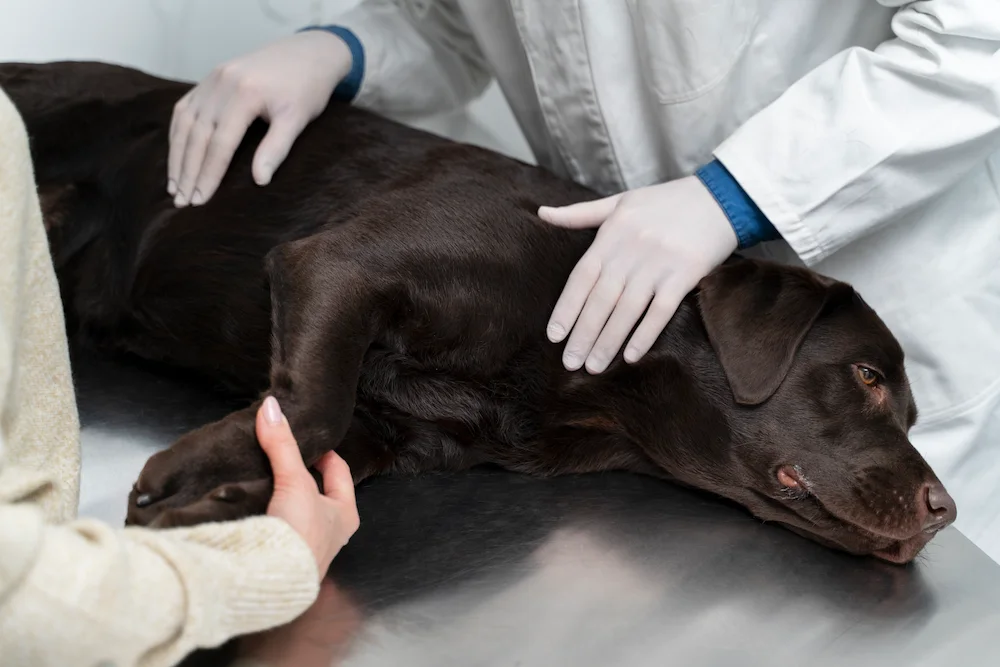
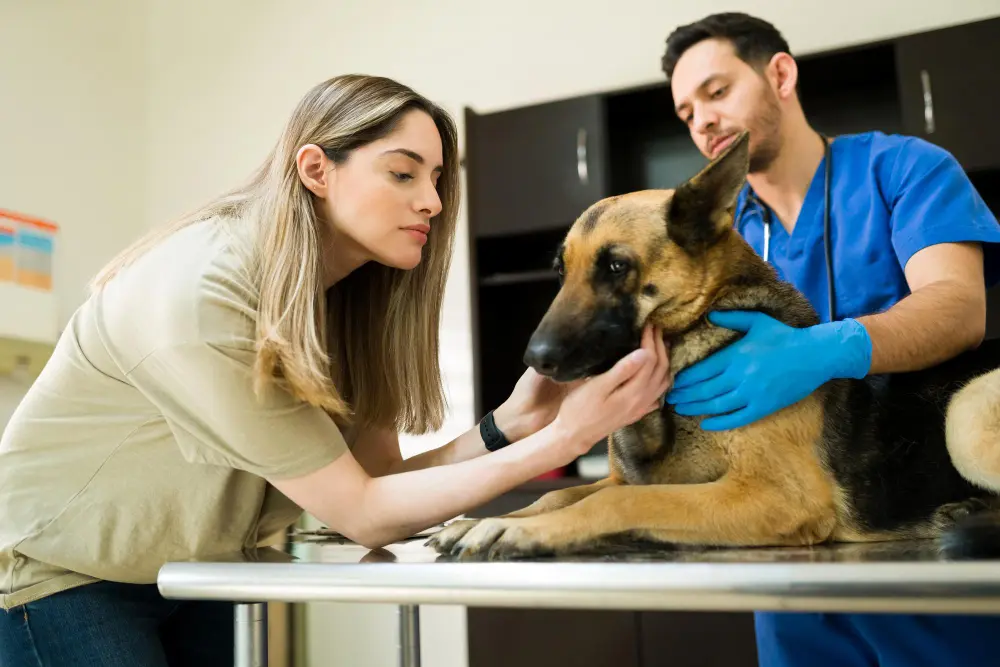
A chiropractic session involves a hands-on evaluation of posture and gait, followed by gentle, precise adjustments to areas of restriction. The goal is to restore more normal movement, ease compensation patterns, and support nerve function. If you want a deeper explanation of the underlying idea, our post on vertebral subluxations in animals breaks it down.
Chiropractic care often suits dogs dealing with:
- Stiffness and reduced mobility
- Compensation patterns from an old injury
- Ongoing maintenance for active or aging dogs
- Specific joint or spinal restrictions found during evaluation
How Acupuncture Works
Acupuncture comes from traditional Chinese medicine and involves placing very thin needles at specific points on the body. In modern practice, it’s often understood to influence the nervous system, stimulate the release of the body’s own pain-relieving chemicals, and affect blood flow and inflammation.
An acupuncture session usually involves inserting several needles and leaving them in place for a period of time while the dog rests. Many dogs tolerate it surprisingly well and may even relax during treatment.
Acupuncture is often used for:
- Chronic pain management
- Arthritis and inflammatory conditions
- Certain neurological issues
- Supporting dogs who can’t tolerate some medications
The Core Difference
The simplest way to think about it: chiropractic care works primarily through the musculoskeletal system, adjusting joints and the spine to improve movement. Acupuncture works primarily through stimulating specific points to influence pain signaling and body systems.
One is hands-on manipulation of structure. The other is targeted stimulation to influence function. They approach the goal of a more comfortable, better-functioning dog from different directions.
Can Dogs Have Both?
Yes, and some dogs do very well with a combination. A dog with arthritis, for example, might receive chiropractic care to address joint restrictions and compensation patterns, alongside acupuncture to help manage the ongoing pain and inflammation. The two can complement each other rather than conflict.
This mirrors what we discussed in our comparison of chiropractic care and physical therapy for dogs. Complementary therapies often work best in combination, guided by your veterinary team, rather than as an either-or decision.
How to Choose
The right starting point depends on your dog. For a dog with obvious movement restriction, stiffness, or compensation from an old injury, a chiropractic evaluation is a sensible place to begin. For a dog dealing primarily with chronic pain or inflammation, acupuncture may be a strong fit. Many dogs benefit from a thoughtful combination.
Your veterinarian is an important voice in this decision. Whatever complementary care you pursue, it should work alongside veterinary diagnosis and treatment, never replace it. Both chiropractic care and acupuncture are supportive therapies, and neither is a substitute for a proper veterinary workup when something is wrong.
What to Expect With Us
If you’re considering chiropractic care for your dog, a first visit at our Charlotte practice includes a conversation about your dog’s history and daily habits, followed by a hands-on gait and posture assessment. From there, we build a plan around what we find, and we’re always glad to coordinate with a veterinarian or other practitioners already involved in your dog’s care.
Not sure which approach fits your dog best? Schedule a consultation or call us at (704) 469-4772. Learn more about our canine chiropractic services in Charlotte, NC.