Animal chiropractic and veterinary care are not competing approaches. They work best together, each addressing something the other doesn’t fully cover. Your veterinarian diagnoses and treats disease, injury, and illness. An animal chiropractor identifies and corrects structural restrictions in the spine and joints that affect how the nervous system functions and how the body moves. For many animals, getting the best outcome means having both on the team. At Axiom Animal Chiropractic in Charlotte, NC, working alongside your vet is not just something we recommend. It’s how we operate.
What Veterinary Care Does
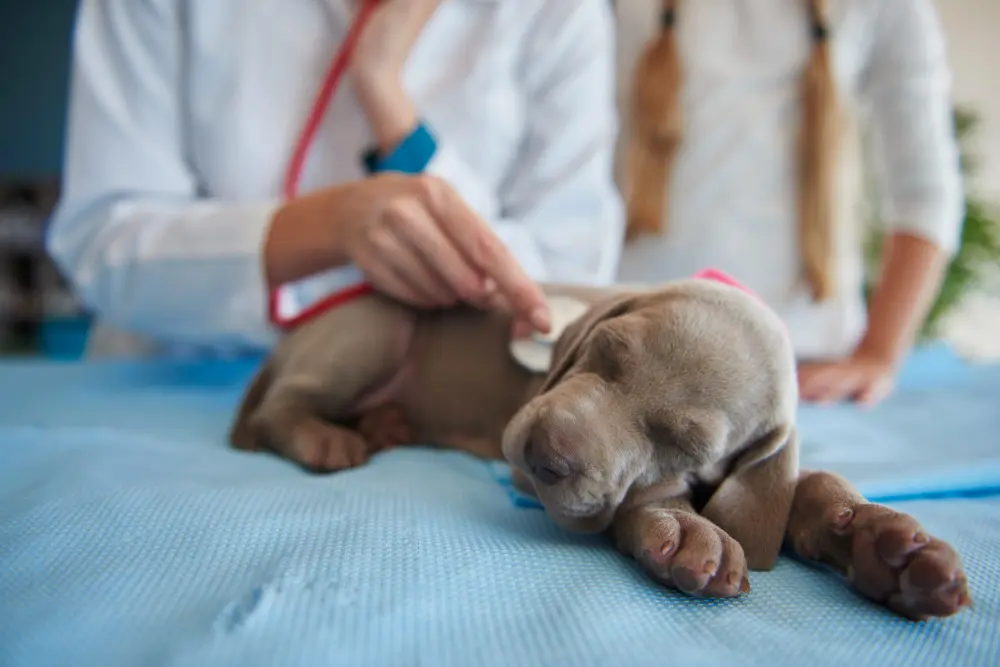
Your veterinarian is trained to diagnose and treat a wide range of medical conditions through physical examination, diagnostic imaging, bloodwork, and other clinical tools. They manage disease, infections, organ dysfunction, surgical needs, vaccinations, and emergency care. For any animal showing signs of illness or injury, the veterinarian is the right first call.
Conventional veterinary medicine is also the appropriate setting for pain management through medication, rehabilitation therapy following surgery or injury, and monitoring of chronic conditions like diabetes, kidney disease, or cancer. None of that is something chiropractic replaces or competes with.
Where veterinary care has limitations is in addressing the structural, neurological side of musculoskeletal problems. A vet can tell you that your dog has arthritis or that your horse has back pain, but the standard toolkit for managing those conditions focuses on medication, rest, and in some cases surgery. The underlying spinal restrictions that contribute to how the animal moves and compensates are generally outside the scope of a standard veterinary exam.
What Animal Chiropractic Does
Animal chiropractic focuses specifically on the spine and its relationship to the nervous system. The goal is to identify vertebral subluxations, which are misalignments in the vertebrae that create nerve pressure and interfere with normal nerve function, and to correct them through precise, hands-on adjustments.
Because the nervous system controls muscle coordination, organ function, and the body’s overall ability to regulate itself, spinal health has a broader impact than most people expect. A subluxation in the lumbar spine doesn’t just cause back pain. It can affect how the hind legs function, how the animal carries their weight, and over time, how the surrounding joints wear. Correcting it addresses the structural source of the problem rather than just managing the symptoms it produces.
What chiropractic does not do is diagnose or treat disease, manage infections, or serve as a substitute for emergency or surgical veterinary care. That boundary is important, and any qualified animal chiropractor will be clear about it.
Why They Work Best Together
Think of it this way. If your dog is diagnosed with hip dysplasia, your vet manages the medical side of that condition, including anti-inflammatory medication, weight management recommendations, and monitoring joint progression over time. What chiropractic adds is attention to the spinal compensation patterns that develop when a dog favors one hip. Those patterns create secondary restrictions in the lumbar spine, the sacrum, and even the cervical region that contribute to the dog’s overall pain load. Addressing them reduces how hard the body is working to compensate and helps the dog feel and move better within the reality of their diagnosis.
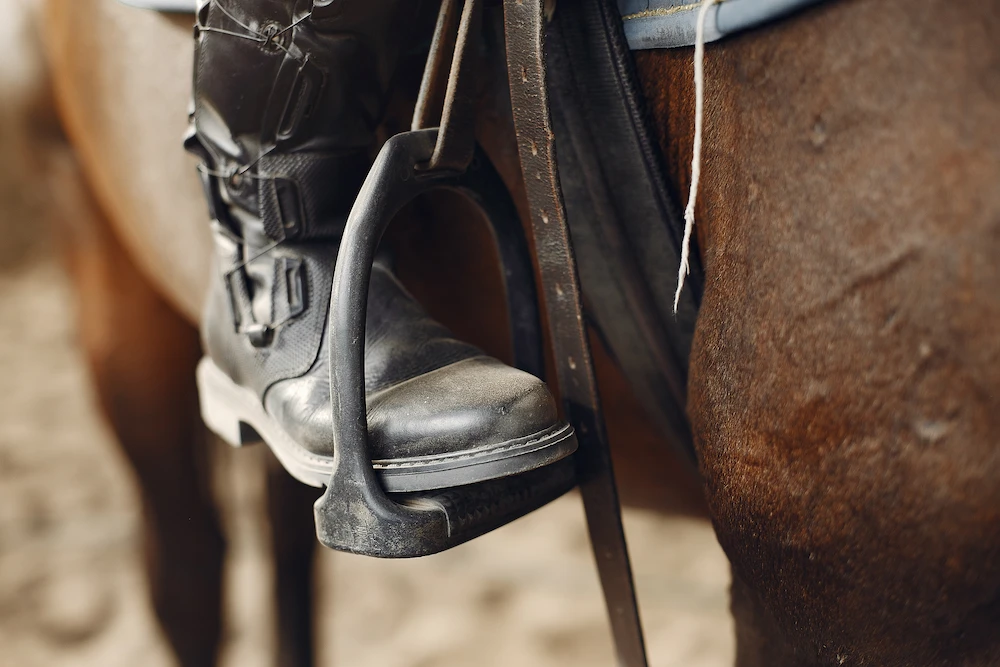
The same logic applies across species and conditions. A horse with saddle fit issues benefits from both a veterinary assessment of any resulting soft tissue damage and chiropractic correction of the spinal restrictions the poor fit caused. A senior cat with arthritis benefits from both veterinary pain management and chiropractic care that keeps the spine moving as freely as possible despite the joint changes happening around it.
The two approaches aren’t redundant. They’re addressing different layers of the same problem.
Does My Vet Need to Refer Me to an Animal Chiropractor?
In most cases, no. You don’t need a formal referral to book an animal chiropractic appointment. That said, we always ask for your animal’s veterinary records before the first visit, and we encourage you to let your vet know you’re pursuing chiropractic care as part of your animal’s overall health plan. Good communication between practitioners benefits the animal, and most veterinarians are supportive of chiropractic as a complementary approach.
If your vet has concerns or specific instructions about your animal’s condition, we want to know about them. There are situations where chiropractic needs to be modified or timed carefully around other treatments, and having that context helps us provide better care. Learn more about how Dr. Megan approaches collaborative care.
Common Questions About Chiropractic and Vet Care
Can my animal receive chiropractic care while on medication?
In most cases, yes. Many animals we work with are already on anti-inflammatory medications, joint supplements, or other treatments prescribed by their vet. Chiropractic doesn’t typically interfere with those. If there’s a specific medication or treatment protocol that might affect the approach, Dr. Megan will discuss that with you before the first adjustment.
Should I see the vet before booking a chiropractic appointment?
If your animal is showing new or sudden symptoms, yes. A veterinary exam first makes sense to rule out conditions that need immediate medical attention. For animals already under veterinary care for a known condition, or for owners seeking preventive or maintenance chiropractic care, a prior vet visit isn’t always necessary before booking.
What if my vet is skeptical about animal chiropractic?
It’s not uncommon. Animal chiropractic is a relatively young field compared to conventional veterinary medicine, and not all vets have exposure to it in their training. The best approach is to share your experience and any results you observe with your vet over time. Many veterinarians become more open to it once they see how their patients respond. At Axiom Animal Chiropractic, we’re happy to communicate directly with your vet if that would help build the collaborative relationship.
Chiropractic for All Species at Axiom Animal Chiropractic
Dr. Megan Hullihen is a Doctor of Chiropractic from Palmer College of Chiropractic, one of the most respected chiropractic institutions in the world, with specialized animal chiropractic training and experience working with dogs, cats, horses, and livestock throughout the Charlotte, NC area. Every care plan she develops is built around what the individual animal needs, in coordination with the veterinary care they’re already receiving.
If you have questions about whether chiropractic is the right fit for your animal’s situation, we’re glad to talk it through. Reach out at charlotteanimalchiropractor.com/contact or call us at (704) 469-4772.