Dead tail in dogs, also called limber tail or cold tail, is a condition where the tail hangs limp and lifeless, either completely or from a point partway down its length. It’s often caused by strain or spinal restriction in the lumbar or sacral region, and chiropractic care can be a fast and effective way to address the underlying structural problem when that’s the cause. At Axiom Animal Chiropractic in Charlotte, NC, we’ve seen dogs with dead tail respond quickly after chiropractic evaluation and adjustment, sometimes within the same day.
What Is Dead Tail?
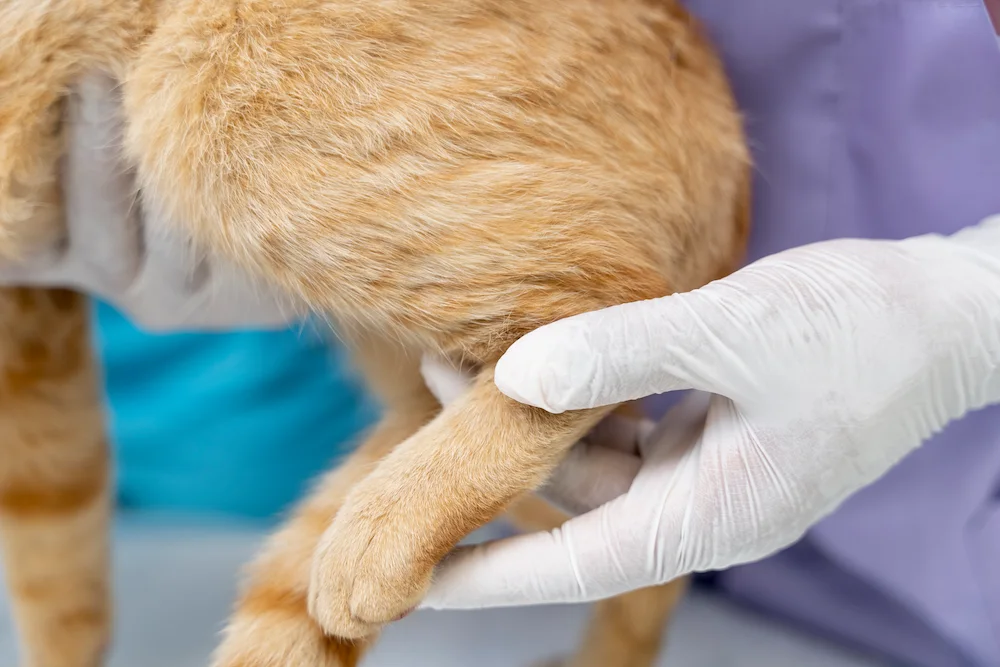
Dead tail goes by several names: limber tail syndrome, cold tail, swimmer’s tail, or broken wag. Despite the alarming appearance, the tail itself is usually not broken. What’s happened is that the muscles, tendons, and nerves that control tail movement have been affected, either through direct strain, overuse, or a spinal restriction that’s disrupting the nerve signals responsible for tail function.
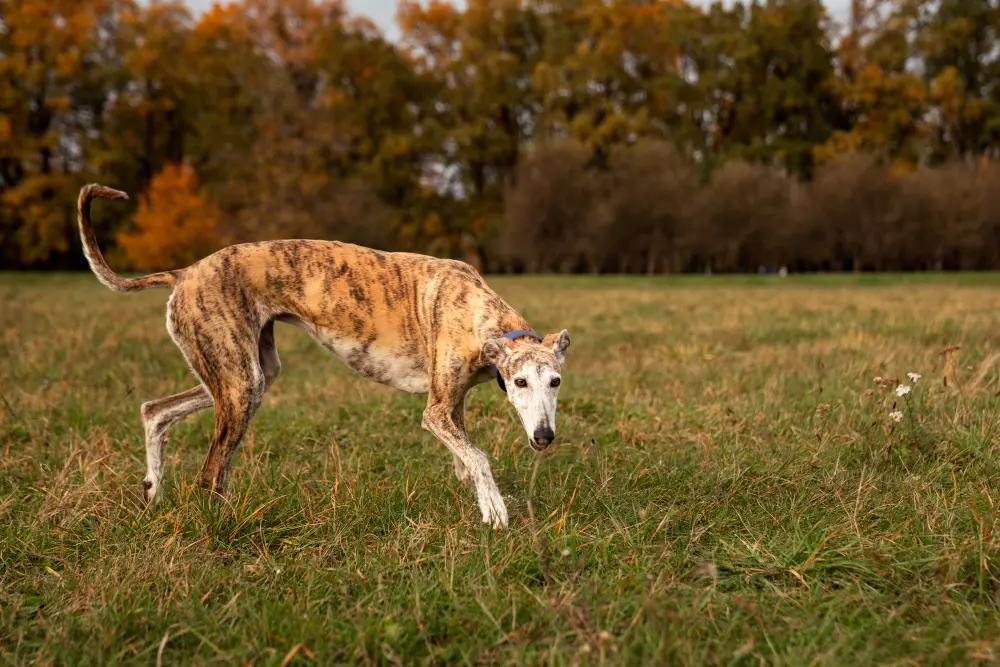
The tail may hang completely limp from the base, or it may stick out horizontally for a few inches before dropping down. Either way, the dog is often clearly uncomfortable. They may be reluctant to sit, show pain when touched near the tail base, and seem quieter or less engaged than usual. Dogs who are normally enthusiastic waggers make the change particularly obvious.
What Causes Dead Tail in Dogs?
The most commonly cited trigger is overexertion, particularly swimming, intense retrieving work, or extended physical activity in cold or wet conditions. The muscles at the tail base work hard during these activities, and they can strain or go into protective spasm when pushed beyond their capacity. Crate travel for extended periods, especially in cramped conditions, is another frequent cause.
But dead tail isn’t always purely a muscle problem. The tail is an extension of the spine, and the nerves that supply the tail muscles exit the spinal cord in the lumbar and sacral region. When subluxations develop in those areas, whether from the same physical stress that strained the tail muscles or from unrelated accumulated restriction, they can directly interfere with the nerve signaling that allows the tail to function normally.
This is why some cases of dead tail resolve with rest while others persist. Rest addresses the muscular component. It doesn’t correct a spinal restriction. If the nerve supply to the tail is being interrupted by a subluxation that remains in place, the tail may stay limp long after the muscle strain has healed.
Which Dogs Are Most Commonly Affected?
Dead tail is most common in working and sporting breeds, particularly those bred for retrieving and swimming. Labrador Retrievers, Golden Retrievers, Flat-Coated Retrievers, Pointers, and Setters are the breeds seen most often with this condition. That said, it can occur in any dog with the right combination of physical exertion and underlying spinal vulnerability.
Show dogs and sport dogs are also a population where dead tail comes up, because tail carriage matters for presentation and performance, and because these dogs are often working at a high level of physical demand that increases the likelihood of both muscular strain and spinal restriction.
A Case That Stayed with Us
One of the most memorable cases we’ve encountered involved a show dog competing at a trial who developed dead tail right before they were due to go into the ring. The owner sought out a chiropractic adjustment on-site. Dr. Megan evaluated the dog and identified the underlying restriction. Within about 90 minutes of the adjustment, the tail was functional again. The dog went on to compete and won their breed that day.
That kind of result reflects what chiropractic can do when a restriction is identified and corrected precisely and promptly. The structural problem causing the nerve interference was addressed, and the tail responded. You can read more about outcomes like this on our testimonials page.
How Chiropractic Addresses Dead Tail
When a dog comes in with dead tail, Dr. Megan evaluates the entire lumbar and sacral region of the spine, not just the tail base itself. She’s looking for subluxations that are creating nerve pressure in the areas that supply the tail, as well as any secondary restrictions elsewhere in the spine that may be contributing to the overall picture.
If subluxations are found, she corrects them through precise, targeted adjustments to the affected vertebrae. The goal is to restore normal nerve flow to the tail so the muscles can receive the signals they need to function. For cases where the restriction is the primary driver of the condition, improvement can be rapid. For cases where muscular strain is the main issue, chiropractic still helps by ensuring the nervous system is functioning optimally to support recovery.
As always, if there’s any possibility that the tail has been physically injured, such as a direct blow or a traumatic incident, veterinary imaging should come first to rule out fractures or structural damage to the tail vertebrae themselves.
What to Do If Your Dog Has Dead Tail
First, observe your dog closely. If they seem to be in significant pain, are struggling to move, or show any signs beyond the limp tail itself, a veterinary visit is the right first step to rule out injury or other conditions. If the tail is simply hanging limp after a hard physical day and the dog is otherwise acting normally, it’s worth considering whether a chiropractic evaluation might help.
Don’t wait too long to address it. Spinal restrictions don’t tend to resolve on their own, and the longer a subluxation remains uncorrected, the more the surrounding muscles and joints adapt around it. Early intervention is almost always more straightforward than trying to correct a pattern that has been in place for weeks.
Learn more about how we approach canine chiropractic care at Axiom Animal Chiropractic and what a first visit looks like for a dog dealing with dead tail or other spinal conditions.
Serving Dog Owners Across the Charlotte Area
Axiom Animal Chiropractic is located at 1726 E 7th St in Charlotte, NC. We see dogs from across the greater Charlotte metro, including Huntersville, Concord, Mooresville, Matthews, Indian Trail, and Waxhaw. Dr. Megan Hullihen is a Doctor of Chiropractic from Palmer College of Chiropractic, with specialized animal chiropractic training and experience working with sport dogs, working dogs, and family pets dealing with a wide range of spinal conditions.
If your dog has dead tail or you’re not sure what’s going on but something clearly isn’t right, reach out. Book an appointment at charlotteanimalchiropractor.com/contact or call us at (704) 469-4772.