
If your dog struggles with anxiety, nervousness, or behavioral changes that haven’t fully responded to training or medication, chiropractic care may be worth exploring as a complementary approach. The connection between spinal health and behavior in dogs is real and more meaningful than most owners expect. At Axiom Animal Chiropractic in Charlotte, NC, we’ve seen dogs arrive tense and reactive and leave noticeably calmer, sometimes after just one adjustment. It doesn’t happen for every dog in every situation, but the connection between spinal restrictions and the nervous system’s stress response is something we take seriously.
The Link Between the Spine and the Nervous System
To understand why chiropractic might affect a dog’s anxiety, you have to understand what the spine actually does. It’s not just structural support. The spinal cord running through it is the primary communication channel between the brain and the rest of the body. Every signal the brain sends to regulate muscle function, organ activity, heart rate, digestion, and stress response travels through or near the spine.
When a vertebral subluxation creates pressure on a nerve, it doesn’t just cause localized pain. It creates low-level interference in the nervous system’s ability to regulate itself. The body’s stress response, which is governed by the autonomic nervous system, can get stuck in a higher-alert state when that interference is present. For a dog already prone to anxiety, that persistent background noise in the nervous system can make everything feel more intense and harder to manage.
Correcting a subluxation removes that interference. The nervous system settles. For some dogs, that settling shows up as reduced reactivity, calmer baseline behavior, and a general easing of the tension they carry in their body.
A Story That Illustrates This Well
One of the cases we think about often involved a puppy whose owners brought them in not for a specific physical complaint, but because the dog had been unusually hyper and difficult to settle since coming home. After a chiropractic adjustment, the puppy calmed down significantly. The owners were surprised. They hadn’t expected a physical intervention to produce a behavioral result.
But it makes sense when you consider what was likely happening. A young dog who had a difficult birth, traveled to a new home, or simply accumulated stress in the early weeks of life can develop cervical and thoracic restrictions that keep the nervous system running hotter than it should. Removing that interference gives the dog a better chance to regulate. Read more outcomes on our testimonials page.
Signs That Spinal Restrictions May Be Contributing to Your Dog’s Behavior
This isn’t a suggestion that all anxious dogs have spinal problems, or that chiropractic replaces behavioral training and veterinary-guided anxiety management. But if your dog’s anxiety or reactivity is accompanied by any of the following physical signs, the connection is worth investigating:
- Muscle tension or tightness along the back, neck, or shoulders that you can feel when petting them
- Stiffness or sensitivity when touched in certain areas
- Changes in how they carry themselves, such as a lowered head or hunched posture
- Restless sleep or difficulty settling down even when the environment is calm
- Hypersensitivity to touch, particularly along the spine
- A dog who startles easily or seems generally on edge without an obvious environmental trigger
Physical discomfort and anxiety often reinforce each other. A dog who hurts is a dog who is already operating with a heightened stress response. Addressing the physical piece doesn’t make behavioral work unnecessary, but it can make that work more effective.
Chiropractic as Part of a Broader Anxiety Management Plan
We want to be clear about what chiropractic is and isn’t in this context. It’s not a treatment for anxiety as a diagnosis. It doesn’t replace behavioral modification, environmental management, or veterinary-prescribed medication when those are appropriate. What it does is address the physical component of how a dog’s nervous system is functioning, which can be a meaningful piece of the overall picture.
For dogs already working with a trainer or veterinary behaviorist, adding chiropractic care to the plan is a low-risk, drug-free complement that may help the other interventions work more effectively. We’re happy to communicate with your vet or trainer about what we’re observing and how our care fits into the broader approach.
At Axiom Animal Chiropractic, every first visit starts with a thorough conversation about your dog’s history, including any behavioral patterns you’ve noticed. If spinal restrictions seem likely to be a contributing factor, we’ll explain what we’re finding and what we’d recommend. If chiropractic doesn’t seem like the right fit for your dog’s specific situation, we’ll tell you that too.
What a First Visit Looks Like for an Anxious Dog
We understand that bringing an anxious dog to a new environment and a new person can feel counterproductive. Dr. Megan works at the dog’s pace from the moment they arrive. There’s no rushing, no forcing, and no pushing a dog beyond what they’re comfortable with on that day.
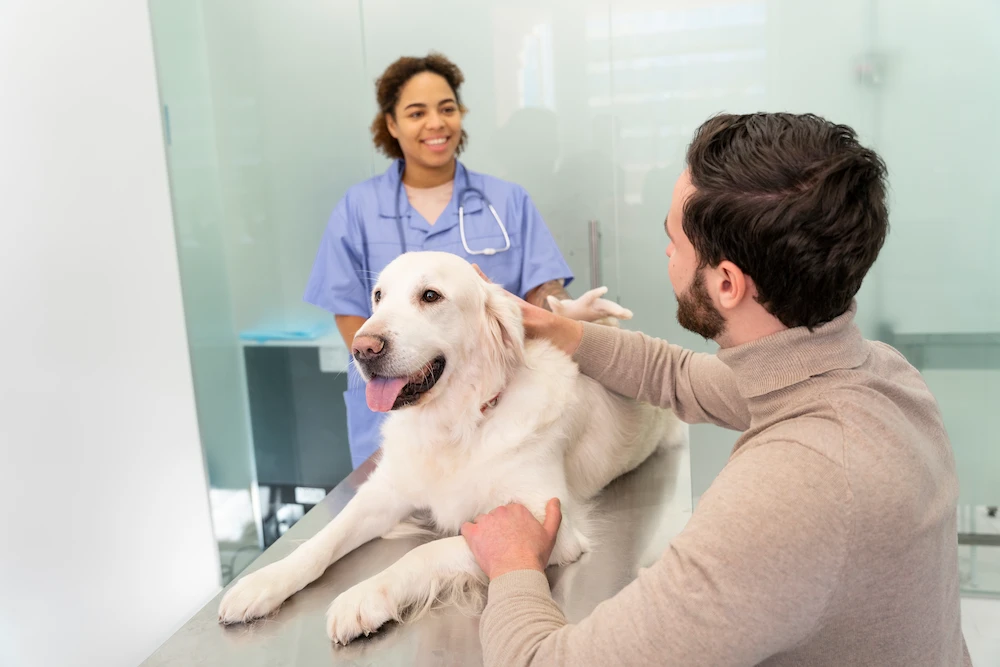
Most anxious dogs surprise their owners during a chiropractic visit. The hands-on evaluation is calm and methodical, and many dogs relax significantly once they realize the contact is gentle and consistent. Some become drowsy. Some start leaning in. The dogs who arrive most wired are often the ones who leave most visibly settled.
You’ll leave with home observation guidance specific to your dog and a clear recommendation for follow-up based on what was found during the evaluation. Learn more about Dr. Megan’s approach to working with all types of dogs.
Serving Dog Owners Across Charlotte, NC and Surrounding Areas
Axiom Animal Chiropractic is located in Charlotte, NC, and we see dogs from throughout the greater Charlotte metro, including NoDa, Plaza Midwood, Dilworth, SouthPark, Ballantyne, and surrounding neighborhoods and communities. Whether your dog’s primary concern is anxiety, a physical condition, or both, we’d be glad to take a look and help you figure out where chiropractic fits.
Book a consultation at charlotteanimalchiropractor.com/contact or call us at (704) 469-4772.