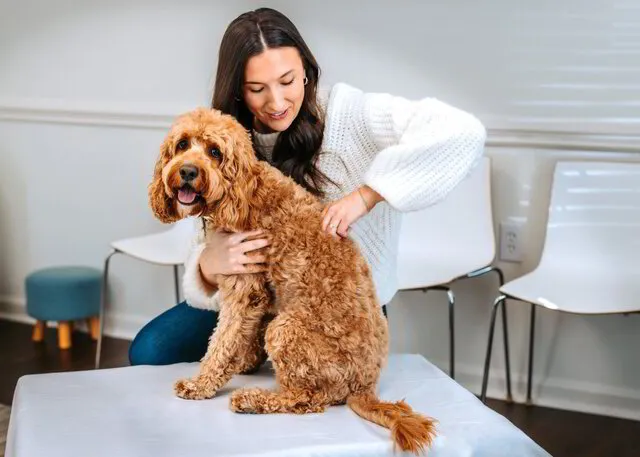
At your first animal chiropractic appointment in Charlotte, NC, Dr. Megan will review your animal’s health history, do a hands-on evaluation of their posture and movement, and perform gentle, species-specific adjustments tailored to what she finds. The visit is calm, thorough, and unhurried, and most animals settle quickly once they understand what’s happening. If you’ve been curious about animal chiropractic but weren’t sure what to expect, here’s exactly how it works from the moment you arrive.
Before You Come In: What to Bring
The most helpful thing you can do before your first visit is gather any relevant records from your veterinarian. That includes recent exam notes, imaging results if any exist, a list of current medications or supplements, and any diagnoses your animal has received. You don’t need a referral from your vet to book a chiropractic appointment, but having that background information helps Dr. Megan build a complete picture of your animal before she starts.
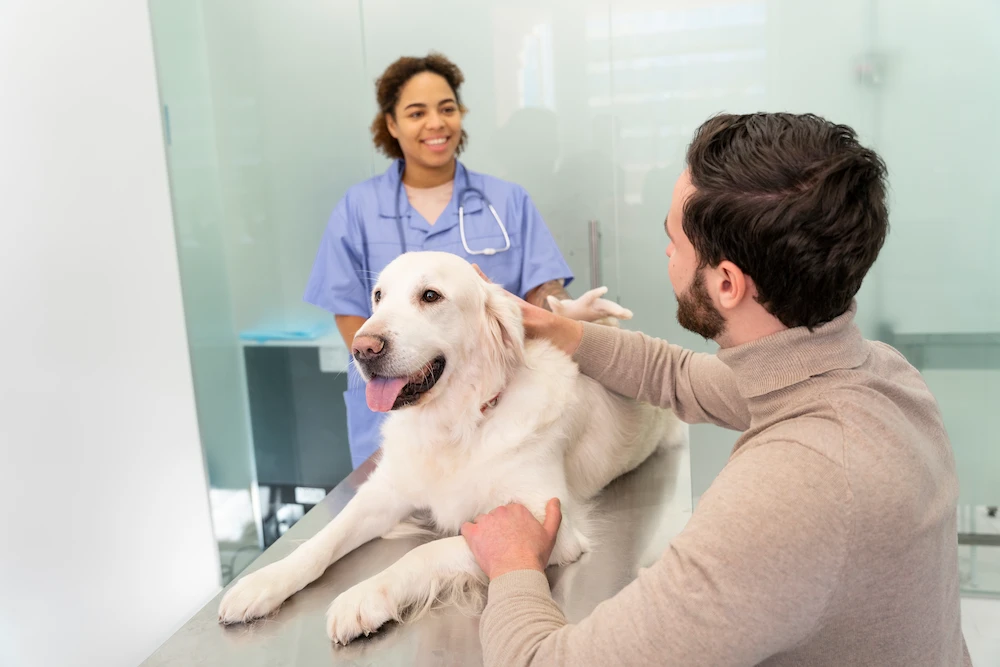
If you’re bringing a dog or cat, plan to arrive a few minutes early so your animal has a moment to settle into the environment before the appointment begins. For cats, bring them in their usual carrier. Familiar smells help reduce stress in a clinical setting, and a calm cat is much easier to evaluate and work with than an anxious one.
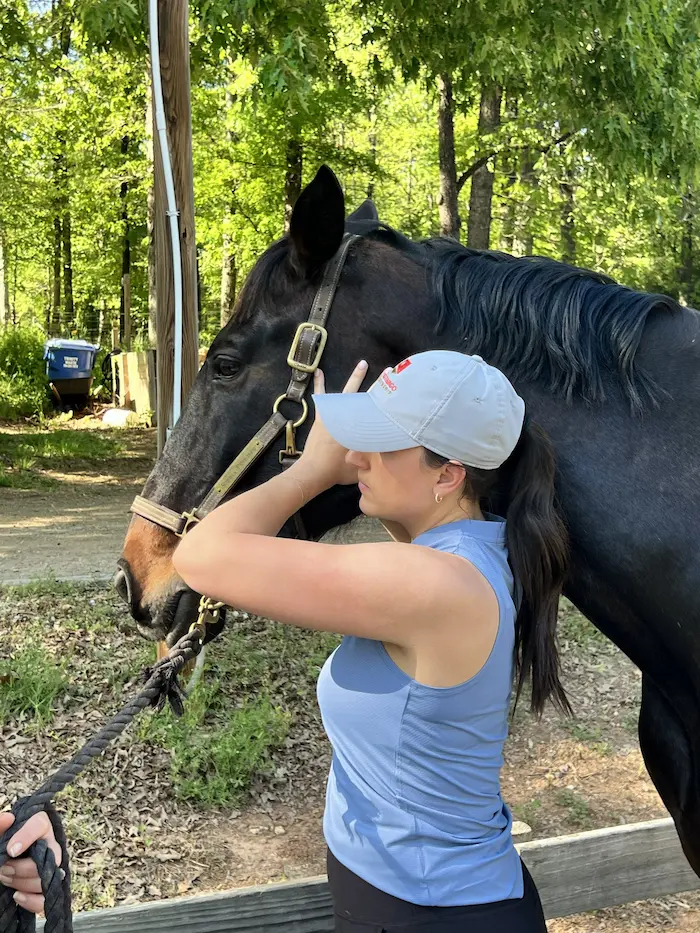
For equine and livestock appointments, Dr. Megan travels to you. Make sure you have a safe, well-lit handling area ready when she arrives. For horses, a clean, quiet space in or near the barn works well. For livestock, a chute or secure pen setup makes the visit smoother for everyone involved.
The Consultation: Understanding Your Animal’s History
Every first visit at Axiom Animal Chiropractic in Charlotte starts with a conversation. Before any hands are laid on your animal, Dr. Megan takes the time to understand what’s been going on. She’ll ask about your animal’s daily routine, activity level, any changes in behavior or movement you’ve noticed, and how long those changes have been happening.
This part of the visit matters more than people sometimes expect. The history you share gives Dr. Megan context that a physical exam alone can’t provide. A dog who started limping three weeks ago after a long hike tells a different story than one who has been stiff for two years. A horse who recently changed riders, added a new discipline, or came back from injury needs a different set of questions than one whose issue appeared gradually with no obvious trigger.
Don’t worry about having all the answers. Just share what you’ve observed. Your observations as the person who knows this animal are genuinely valuable, and Dr. Megan will help fill in the gaps with her evaluation.
The Physical Evaluation: What Dr. Megan Is Looking For
After the consultation, Dr. Megan moves into a hands-on evaluation of your animal. For dogs and cats, this typically involves watching them move in the space available, then doing a detailed postural and spinal assessment with the animal standing or lying comfortably. For horses and livestock, the movement evaluation is more extensive and takes place before any adjustments are made.
She’s looking at how the animal carries themselves, where tension or asymmetry is visible, how each segment of the spine responds to gentle pressure and motion, and where restrictions exist that shouldn’t be there. She’s also paying attention to the animal’s comfort and tolerance throughout, adjusting her approach in real time based on how they’re responding.
This evaluation is what separates a chiropractic visit from a general wellness check. It’s specific, methodical, and focused on the structural and neurological picture rather than just surface-level symptoms.
The Adjustment: What It Feels Like for Your Animal
Once Dr. Megan has identified where restrictions exist, she’ll begin making adjustments. A chiropractic adjustment is a controlled, precise application of force to a specific vertebra or joint to restore its normal position and range of motion. The force used is adapted completely to the species, size, and condition of the individual animal.
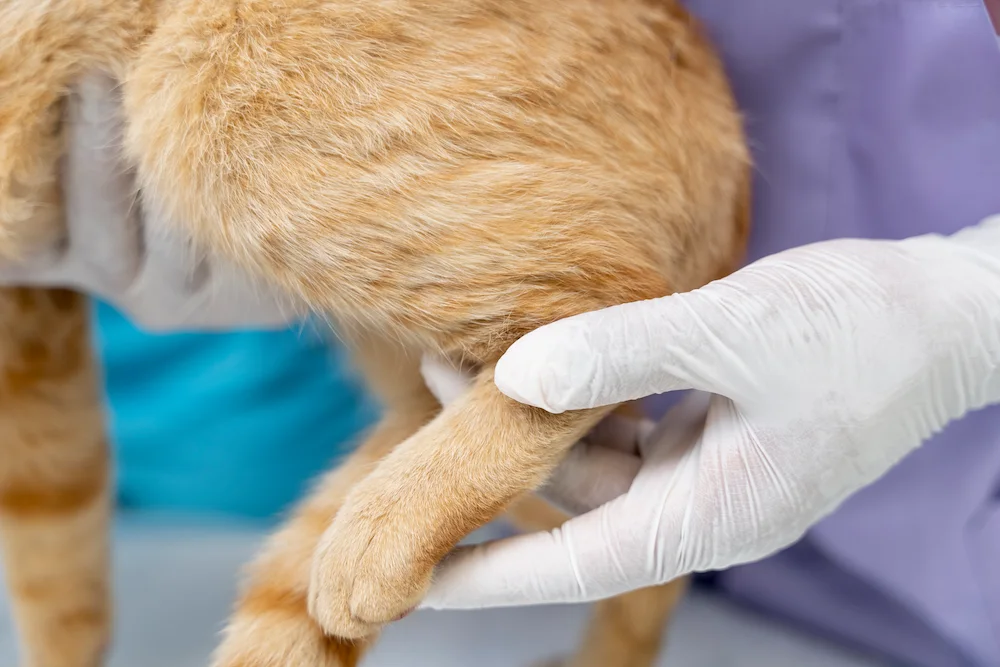
For small dogs and cats, adjustments are very gentle, often involving light, targeted pressure rather than anything that would feel forceful to the animal. For larger dogs, the force is slightly more significant but still well within the animal’s comfort range. For horses and livestock, adjustments involve more physical effort from Dr. Megan, but again, the goal is always precision over force.
Most animals are calm during adjustments. Some become noticeably relaxed partway through the session, lowering their head, softening their posture, or even getting drowsy. Yawning is a common response and a good sign that the nervous system is processing the change. Occasionally an animal is tense early in the visit and gradually settles as they realize nothing uncomfortable is happening.
After the Adjustment: What to Watch For
It’s normal for animals to seem a little quieter or more relaxed than usual in the hours following an adjustment. Some sleep more. Some move more freely almost immediately. Others show gradual improvement over the following 24 to 48 hours as the nervous system integrates the changes made during the session.
Dr. Megan will give you specific home observation guidance after every visit so you know what to watch for and what to report back at the next appointment. This isn’t just filler advice. The patterns you observe at home between visits are genuinely useful data that helps refine the care plan over time.
In rare cases, an animal may seem slightly more stiff or sore the day after an adjustment, similar to how people sometimes feel after a massage or a workout. This typically resolves within 24 to 48 hours and is a normal response to the body adjusting to new patterns of movement. If anything concerns you after a visit, you’re always welcome to call us.
How Many Visits Will Your Animal Need?
This is one of the most common questions new clients ask, and the honest answer is that it depends on the animal. Some respond significantly after just one or two visits. Others dealing with chronic issues, older animals with years of accumulated restriction, or animals recovering from injury may need a series of sessions before meaningful progress becomes clear.
After the first visit, Dr. Megan will give you her best assessment of what a realistic care plan looks like for your specific animal. She’ll reassess at each visit and adjust the plan based on how things are going. The goal is always to get your animal to a stable, comfortable baseline and then move toward a maintenance schedule that keeps them there without unnecessary visits. Learn more about Dr. Megan’s approach to animal care.
Animal Chiropractic for Dogs, Cats, Horses, and Livestock in Charlotte
Axiom Animal Chiropractic is located at 1726 E 7th St in Charlotte, NC, and we provide chiropractic care for all four major animal categories: dogs, cats, horses, and livestock. Equine and livestock appointments are mobile, with Dr. Megan traveling to your stable or farm throughout the greater Charlotte metro area.
If you’re ready to book your animal’s first appointment, or just want to ask a question before committing, we’re happy to hear from you. Reach out at charlotteanimalchiropractor.com/contact or call us at (704) 469-4772.