How often your pet needs chiropractic care depends on their species, age, condition, and what their daily life demands of their body. Some animals do well with a single correction and a checkup every few months. Others benefit from a more frequent schedule while working through a chronic issue or recovering from injury. At Axiom Animal Chiropractic in Charlotte, NC, we give every owner a realistic, individualized recommendation after the first visit rather than a one-size-fits-all protocol, and we adjust it over time as the animal responds.
There Is No Single Answer That Fits Every Animal
The honest truth about chiropractic visit frequency is that it varies significantly from animal to animal, and anyone who gives you a standard number before evaluating your pet isn’t giving you useful information. A 3-year-old agility dog in peak training season has different needs than a 14-year-old cat dealing with age-related spinal changes. A working horse competing regularly needs a different maintenance schedule than a pleasure horse who trail rides on weekends.
That said, there are some general patterns that apply across species, and understanding them helps you know what to expect when you start chiropractic care for your animal.
The Two Phases of Chiropractic Care
Most animals go through two phases: an initial correction phase and an ongoing maintenance phase. Understanding the difference helps you plan and set realistic expectations.
Initial Correction Phase
When an animal is first seen for a specific issue, whether that’s a dog with IVDD, a horse with gait asymmetry, or a senior cat with mobility decline, the first several visits are focused on identifying and correcting the restrictions that have accumulated. Depending on how long the issue has been present and how significant the restrictions are, this phase may involve visits every one to two weeks for a period of time before the animal reaches a stable baseline.
During this phase, you’re likely to see gradual, progressive improvement between visits. Each session builds on the last. The spine starts holding its corrections longer between appointments, which is the signal that it’s time to begin spacing visits out.
Maintenance Phase
Once an animal reaches a good baseline, the goal shifts from correction to prevention. Maintenance visits keep subluxations from accumulating to a level where they become a problem again. For most animals, this phase involves less frequent visits, often monthly or every six to eight weeks, depending on what their body and lifestyle require.
Think of it the way you’d think about dental cleanings or oil changes. You’re not waiting for something to break. You’re managing a predictable pattern of wear so it doesn’t become a bigger issue down the road.
Frequency by Species
Dogs
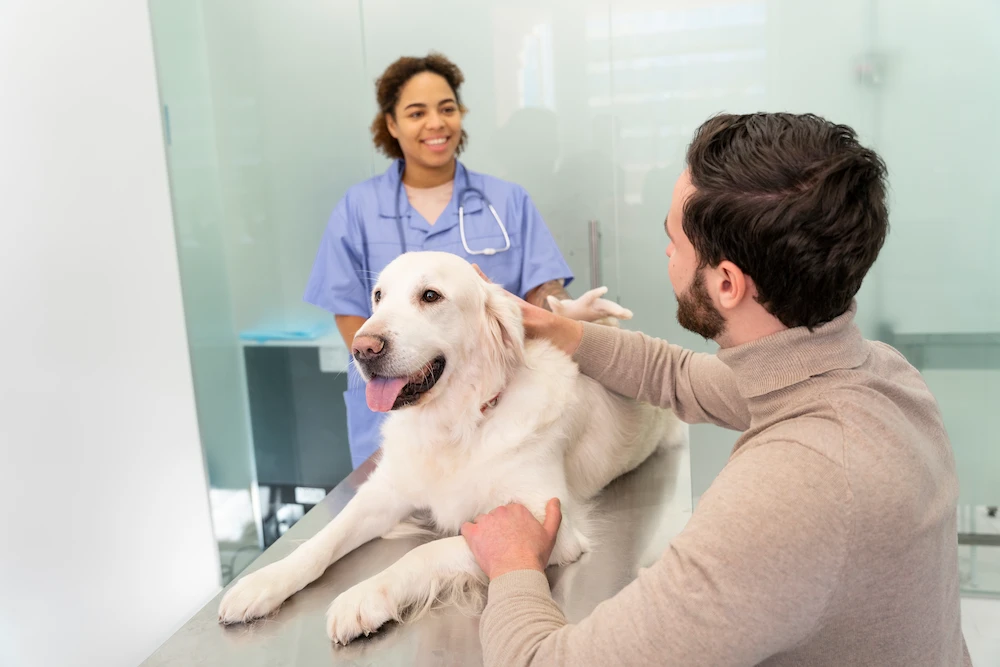
For dogs dealing with an active condition like IVDD, hip dysplasia, or post-surgical recovery, an initial phase of weekly or biweekly visits is common. Once stable, most dogs shift to monthly maintenance. Active sport dogs or working dogs may benefit from more frequent maintenance during their competition or working season and less frequent care in the off-season. Senior dogs often do well with monthly visits year-round to stay ahead of age-related spinal changes.
Cats
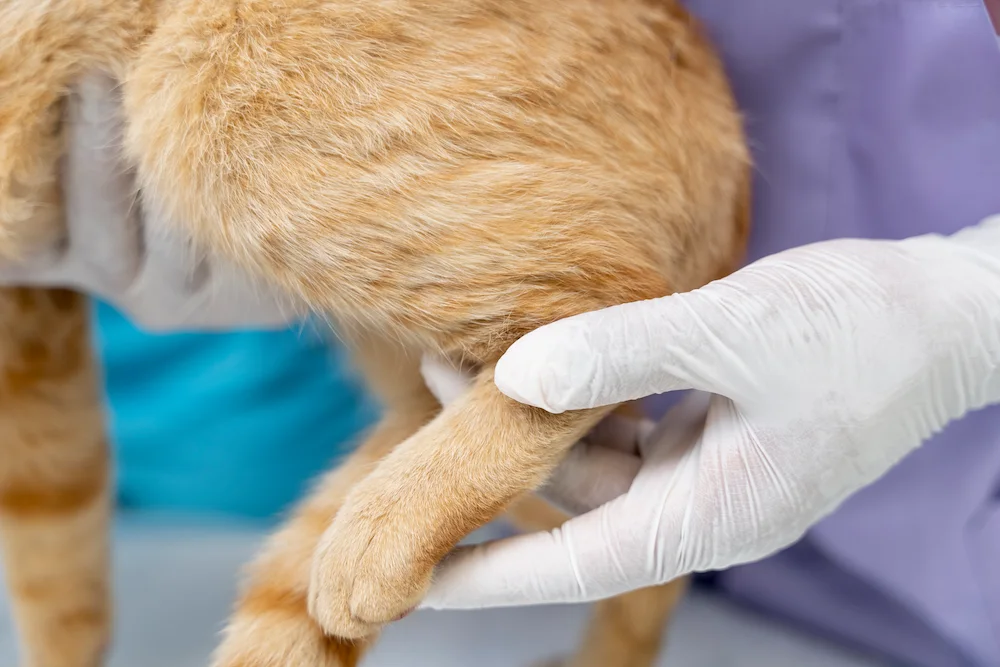
Cats tend to respond well to chiropractic and often hold their adjustments for a reasonable period of time. For senior cats dealing with mobility decline, visits every three to four weeks are common in the correction phase, with a shift to every four to six weeks for maintenance. Some cats do well with checkups every two to three months once they’ve reached a stable baseline. Charlie, a 12-year-old cat we’ve worked with in our Charlotte practice, maintained well on a four-week schedule after regaining significant mobility.
Horses
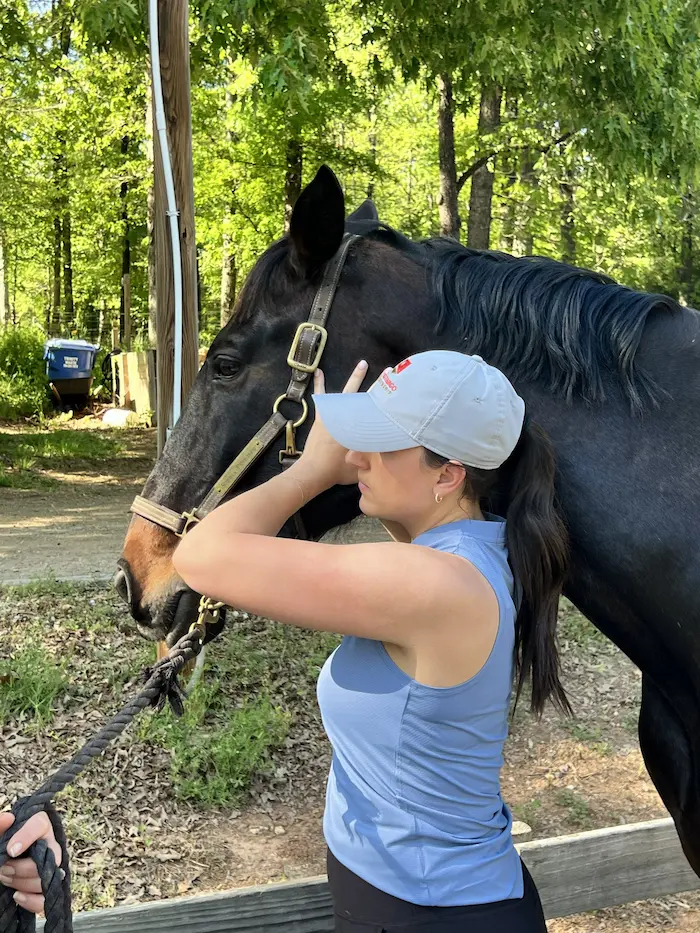
Performance horses in active training or competition typically benefit from chiropractic care every four to six weeks during their working season, with less frequent visits in the off-season. Horses recovering from injury or dealing with chronic back pain may need more frequent care initially. For pleasure horses with no specific issues, an evaluation once or twice a year as part of a general wellness routine is a reasonable starting point.
Livestock
For farm animals, frequency depends heavily on what the animal is being managed for. A dairy cow or breeding doe dealing with a specific lameness issue may need several visits close together to work through the restriction. Once resolved, periodic evaluations two to four times per year as part of herd health management can help catch issues before they affect productivity.
Signs Your Animal May Need a Visit Sooner Than Scheduled
Even animals on a maintenance schedule occasionally need to come in ahead of their next planned visit. Watch for these signals:
- A return of stiffness, limping, or movement changes that had previously improved
- A fall, collision, or unusually demanding physical activity
- Behavioral changes like increased irritability or withdrawal
- A dog or cat who seems reluctant to move in ways that were recently comfortable
- A horse showing resistance under saddle or a change in gait that appeared suddenly
- Any livestock animal showing signs of lameness or posture changes
These don’t always mean something is seriously wrong, but they’re worth checking sooner rather than later. Catching a developing restriction early is almost always easier to address than waiting until it’s well established.
What Drives the Recommendation We Give You
At Axiom Animal Chiropractic, the frequency recommendation Dr. Megan gives after a first visit is based on what she actually finds during the evaluation, not on a standard protocol. She considers the severity and distribution of restrictions, how long they appear to have been present, the animal’s age and overall health, their physical demands, and how they respond during the session.
She’ll reassess at every visit and adjust the schedule as the animal responds. If things are going well and the spine is holding corrections longer, visits get spaced out. If something new comes up or a setback occurs, the schedule tightens temporarily. The goal is always to use the minimum frequency that keeps your animal feeling and functioning their best.
Learn more about chiropractic care for dogs, cats, horses, and livestock at our Charlotte practice.
Ready to Get Started?
If you’ve been wondering whether chiropractic care is right for your animal, or if you’re already a client thinking about maintenance scheduling, we’re happy to talk it through. Book a consultation at charlotteanimalchiropractor.com/contact or call us at (704) 469-4772. We’re located at 1726 E 7th St in Charlotte, NC, and we serve animals and their owners from across the greater Charlotte metro area.